







Advanced Regenerative Medicine
As an MOHW-designated Advanced Regenerative Medicine Institution,
Saeron Clinic answers with safety and expertise.
What is Advanced Regenerative Medicine?
Advanced Regenerative Medicine refers to treatments that use human cells or genes to restore damaged tissues and functions.
It opens new possibilities for rare and intractable diseases that were previously difficult to treat,
and as our society ages rapidly, it is gaining attention as a core field of future medicine.
Cell Therapy
Recovering from disease using the patient's own cells or cells from a donor
Gene Therapy
Introducing new genes into cells to restore damaged functions
Tissue Engineering
Combining cells with biomaterials to replace and regenerate damaged tissue
Meaning & Requirements of a Designated Institution
Institutions designated under the Act on the Safety and Support of Advanced Regenerative Medicine and Advanced Biological Products are not merely given a title.
They must successfully pass a rigorous, multi-stage verification process to ensure the highest standards of safety and expertise.
Ensured Safety — Facilities & Equipment
The institution must possess cell-processing facilities and specialized equipment that meet national standards for conducting clinical research.
Specialized Personnel
Key personnel — including the principal investigator, research staff, human cell manager, and information manager — are required to complete mandatory training programs designated by the Minister of Health and Welfare.
Standard Operating Procedures (SOP)
All processes must be systematically documented and managed in accordance with nationally established standards.
MOHW Verification
Final designation is granted only after comprehensive review, including document screening and on-site inspection by the Ministry of Health and Welfare.
Therefore, an Advanced Regenerative Medicine Institution is not simply a hospital that performs cell procedures.
It is a state-certified clinical research institution whose safety protocols and professional expertise have been officially validated by the government.
MOHW Review & Approval Process
Advanced regenerative medicine research and treatment can only be performed through the following process.
Review & Approval by the Committee
The MOHW Advanced Regenerative Medicine and Advanced Biological Products Review Committee reviews and approves the research and treatment plan.
Performed Only at Designated Institutions
Approved research and treatment may be performed only at a Regenerative Medicine Institution designated by the Minister of Health and Welfare.
In other words, a place that can actually carry out research and treatment reviewed by the MOHW is precisely an "Advanced Regenerative Medicine Institution."

Busan Saeron Clinic,
an MOHW-Designated Advanced Regenerative Medicine Institution
Saeron Clinic has been officially designated by the Ministry of Health and Welfare as an Advanced Regenerative Medicine Institution. This designation goes beyond simply performing cell procedures. It signifies that we are a state-certified institution authorized to conduct both clinical research and patient treatment, having met the rigorous standards required by the government.
Every day, we conduct research to advance the safety and potential of regenerative medicine, and we apply our findings directly to patient care.
Advanced Regenerative Medicine R&D Status
| Project No. | Research Field | Progress |
|---|---|---|
| SR-001 | Autologous cell-based immune disease research | Review completed |
| SR-002 | Mesenchymal stem cell-based immune disease research | Revised plan in progress |
Future Plans
- Pursuing regulatory approval for advanced regenerative medicine clinical research
- Expanding research in the field of immune-related diseases
- Conducting studies to establish evidence of safety and efficacy
※ The above reflects the current development status of our advanced regenerative medicine clinical research activities. It does not imply that any approved advanced regenerative medicine treatment or clinical research is currently being conducted at our clinic.
Important Differences Patients Should Know
Cell and regenerative procedures can be received at some hospitals even if they are not designated institutions.
Simply "receiving a cell procedure" is not the same as advanced regenerative medicine research and treatment.
Building clinical evidence, not just a procedure
Based on data accumulated during treatment, we develop more precise and safer treatment protocols.
Grounded in the latest research and medical evidence
You can experience care that reflects the latest regenerative medicine trends and scientific verification.
A state-recognized safety management system
Treatment is performed safely under MOHW designation standards and committee approval.
Potential for advancing new treatment effects
Today's treatment is not the end, but part of a process that creates more precise and advanced regenerative therapies.
Advancing both treatment quality and medical evidence together
The treatment you receive at Saeron Clinic does not stop at today's result — it becomes the starting point for even better treatment ahead.
Related Equipment
-
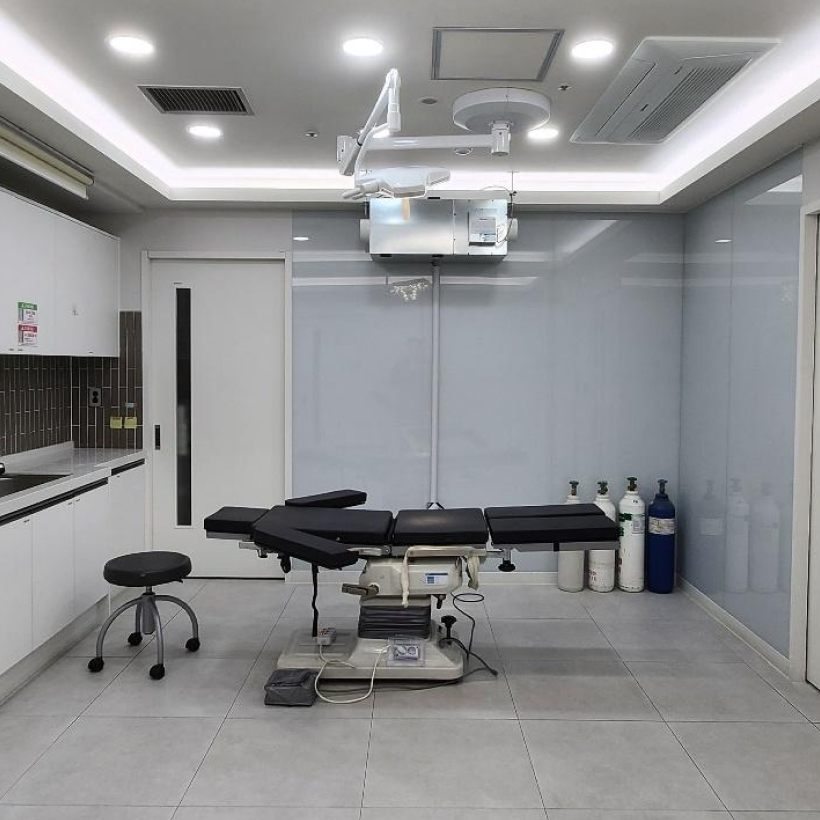 Surgical & Procedure Room
An operating room-grade procedure room dedicated to the harvesting of autologous cells
-
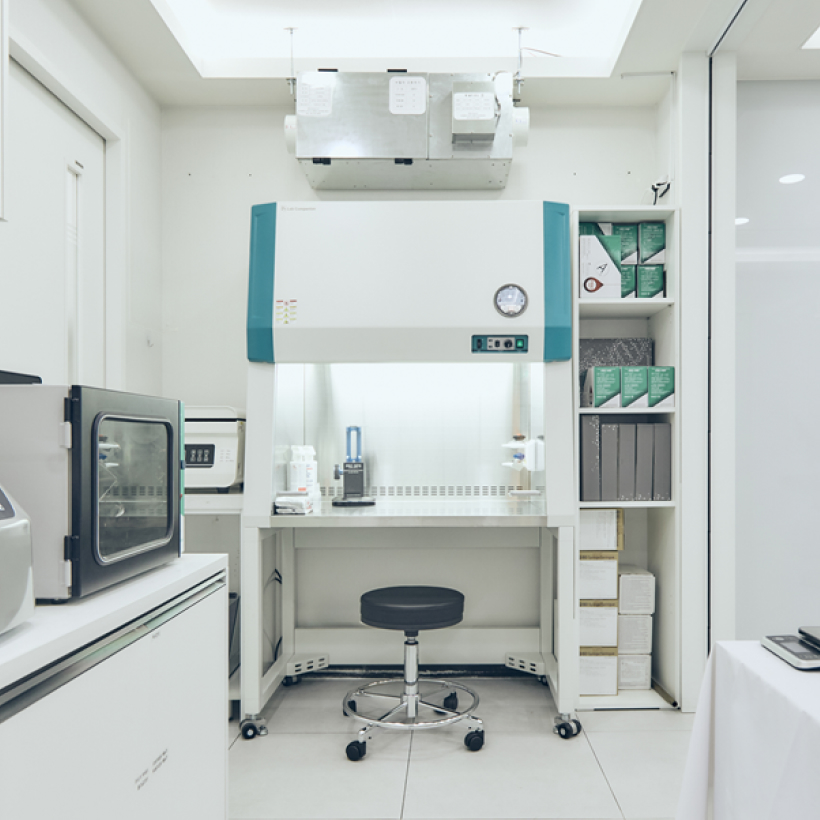 Cell Separation Room
A dedicated space designed for the separation of high-purity cells while minimizing contamination risk
-
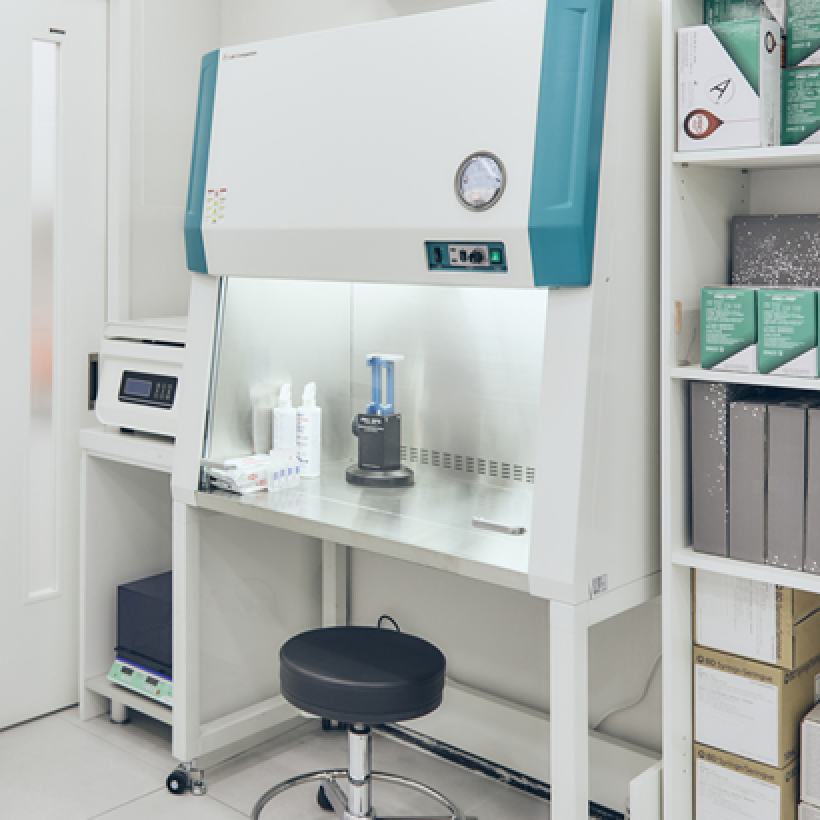 Clean Bench
A sterile workbench used for the separation of cells, including stem cells
-
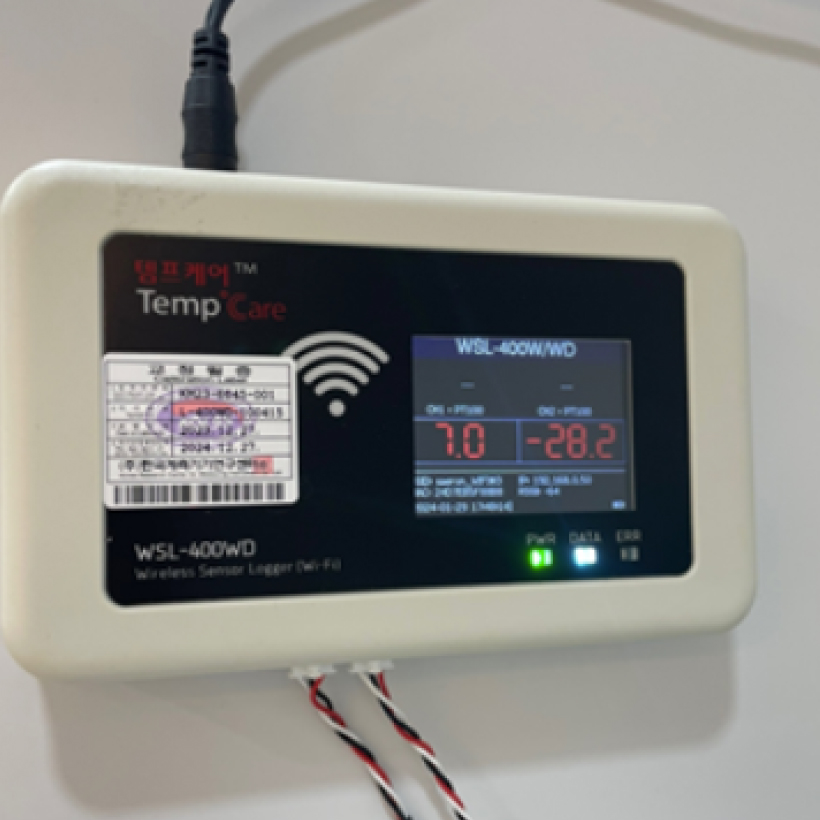 Automatic Temperature Monitoring System
A real-time monitoring system that continuously records refrigerator and freezer temperatures and alerts staff if temperatures deviate from the set range, ensuring the safety of stored cells
-
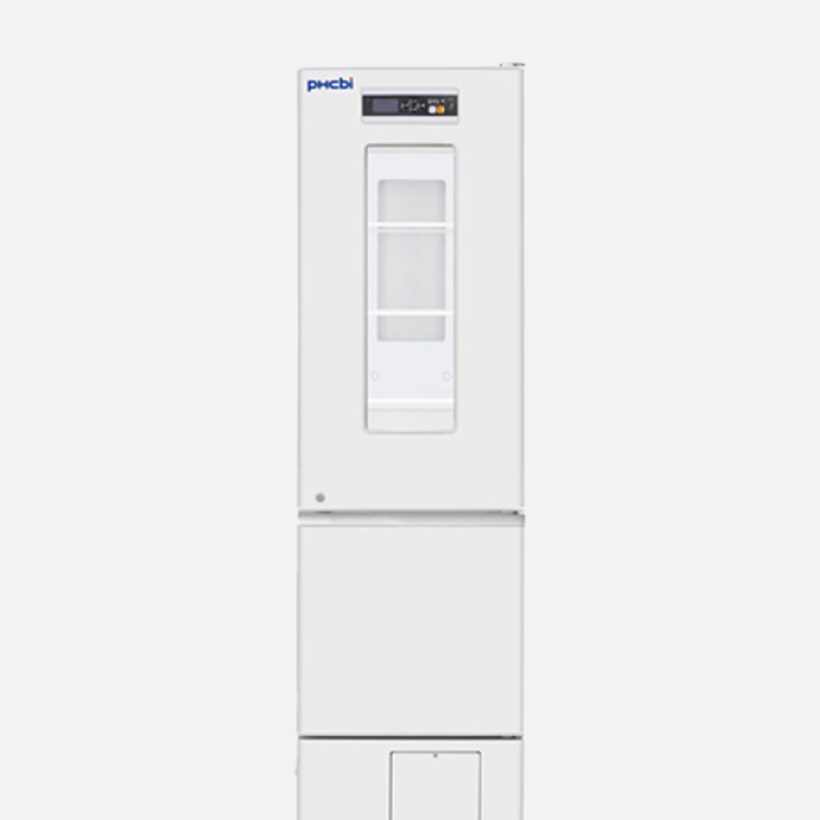 Cell Storage Refrigerator/Freezer
Specialized refrigeration and freezing equipment for the safe storage of human cells and related materials
-
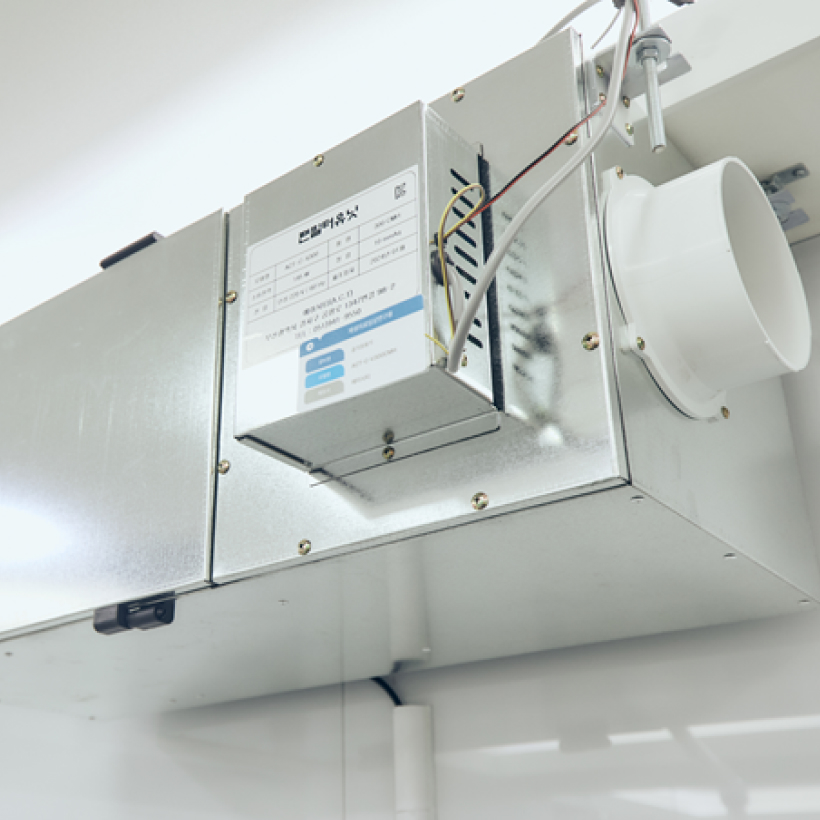 Fan Filter Unit (FFU)
An air filtration system that maintains cleanroom conditions by controlling temperature, humidity, and preventing contamination in each facility room
-
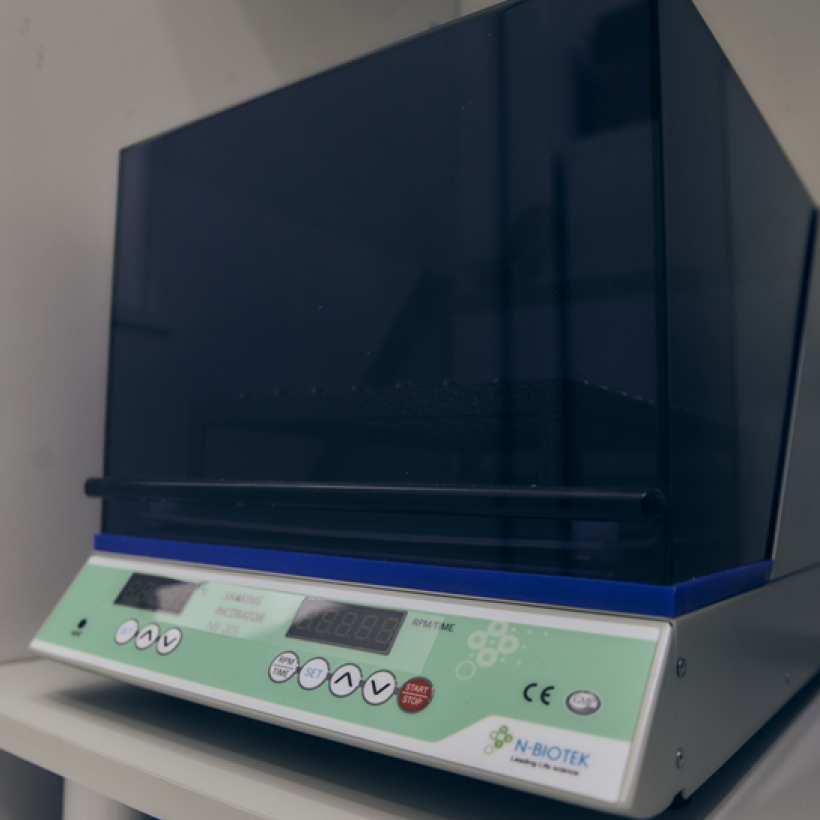 Shaking Incubator
Used to effectively separate the stromal vascular fraction (SVF), including adipose-derived stem cells, from harvested fat tissue
-
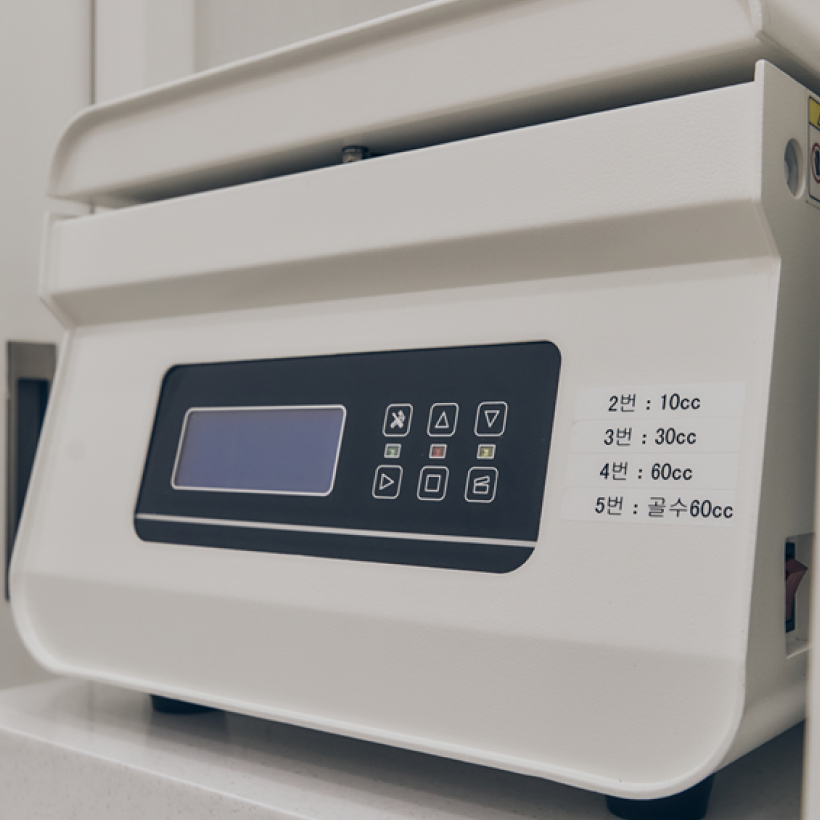 Centrifuge (Blood / Bone Marrow)
Concentrates and separates PRP and BMAC from blood or bone marrow samples
-
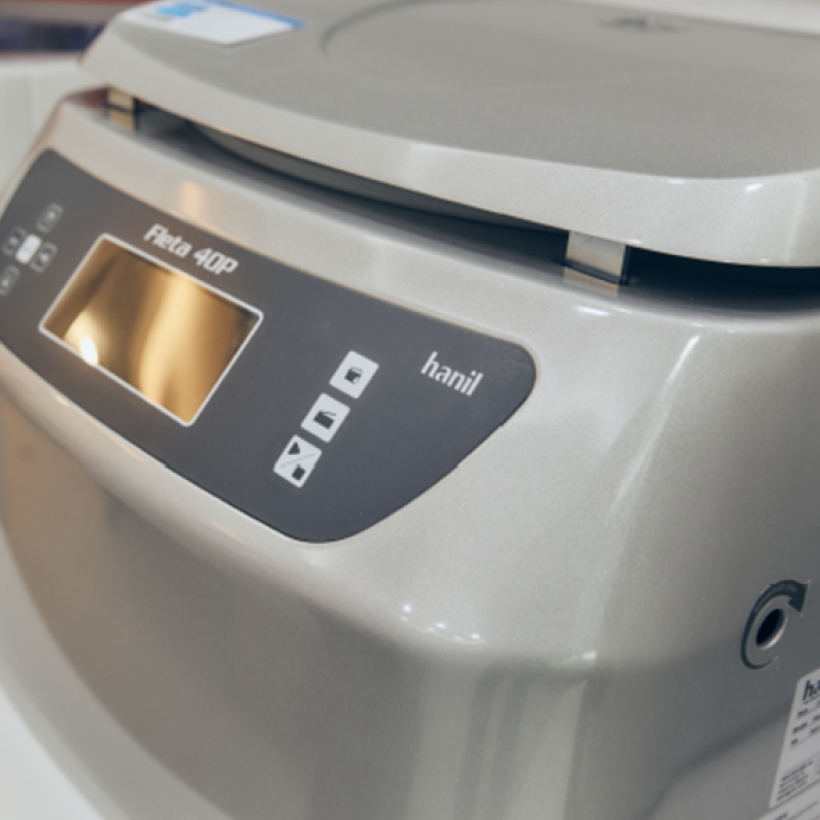 Centrifuge (Adipose Tissue)
Concentrates and separates SVF from adipose tissue
-
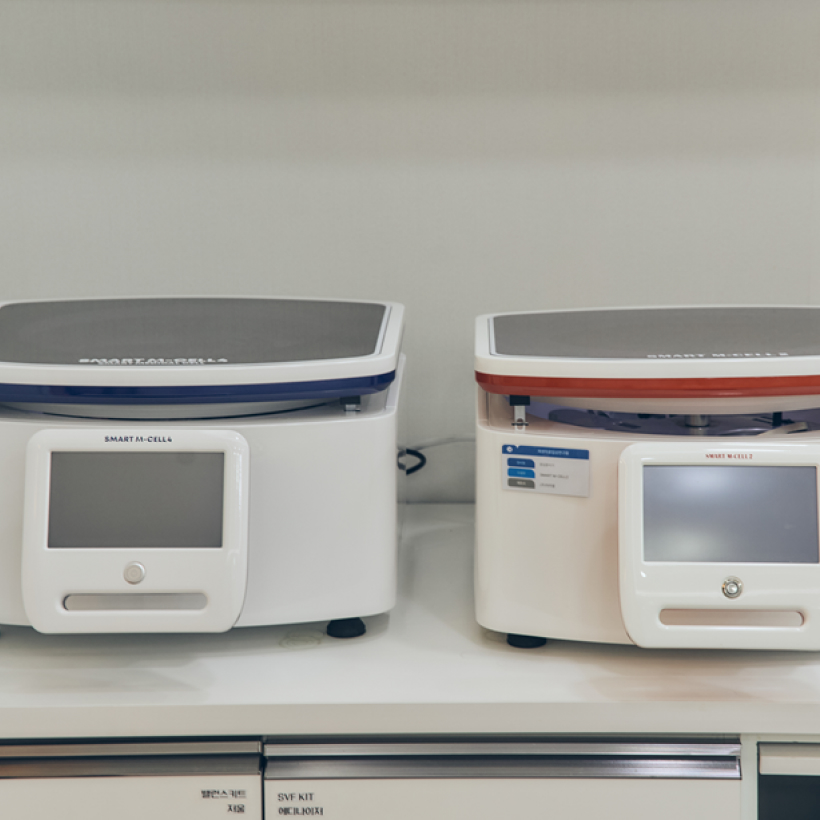 SmartM-Cell 2, 4
An automated extraction system for blood and bone marrow concentrates (CD34+ PRP and BMAC)
-
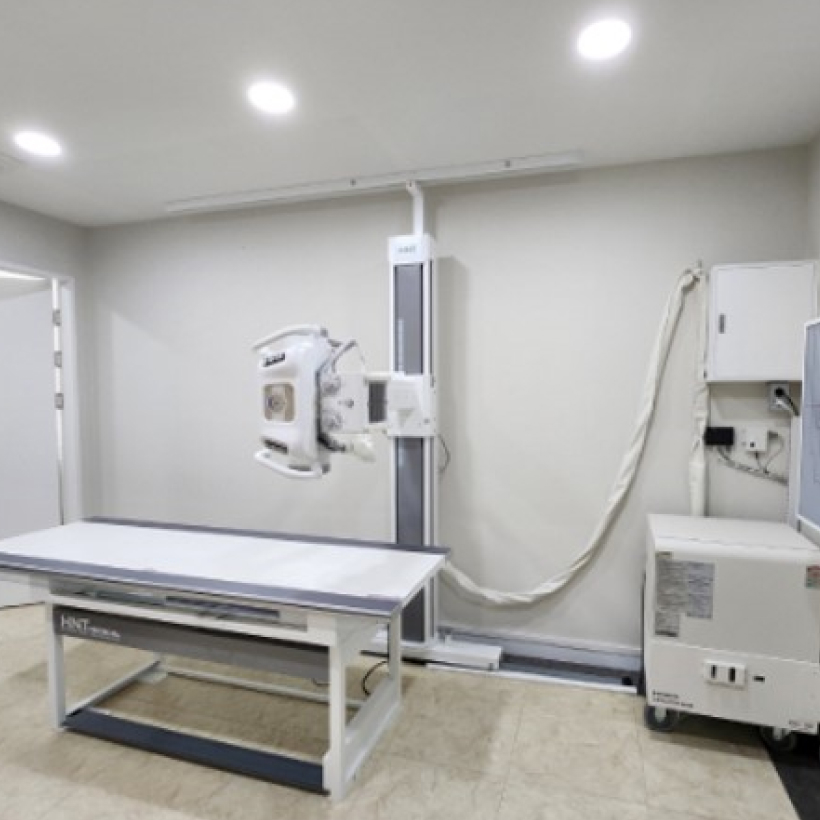 X-ray Room
Provides X-ray imaging for pre-procedure examinations of the chest, abdomen, pelvis, knees, and other areas
-
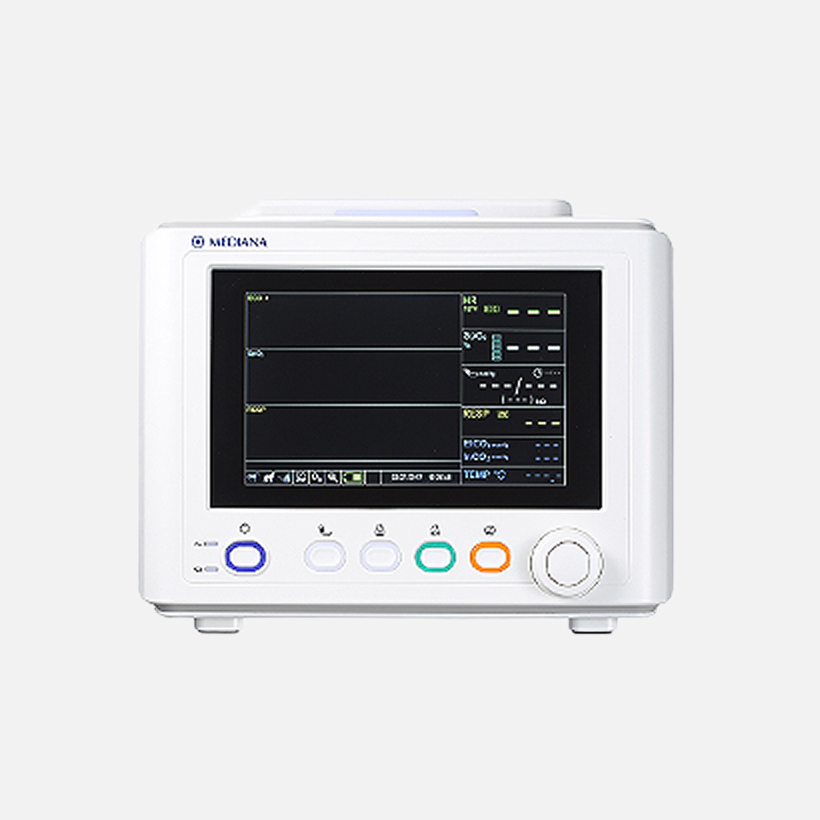 Patient Monitor
Monitors the patient's ECG, oxygen saturation, and respiration during sedation
-
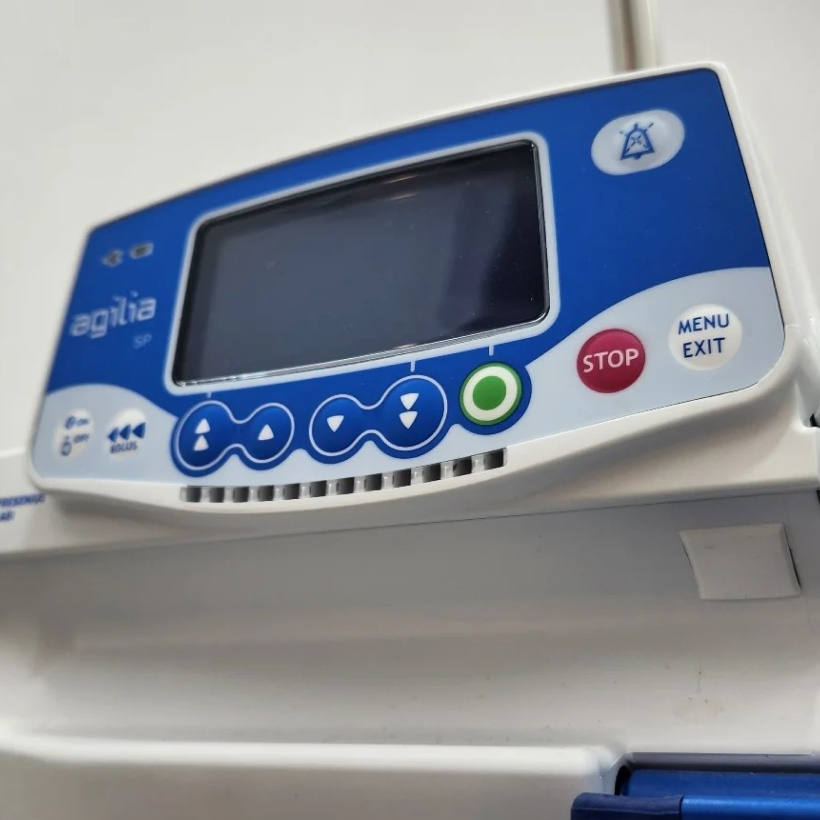 Infusion Pump
A device that delivers key injectable medications at a precise and controlled rate
-
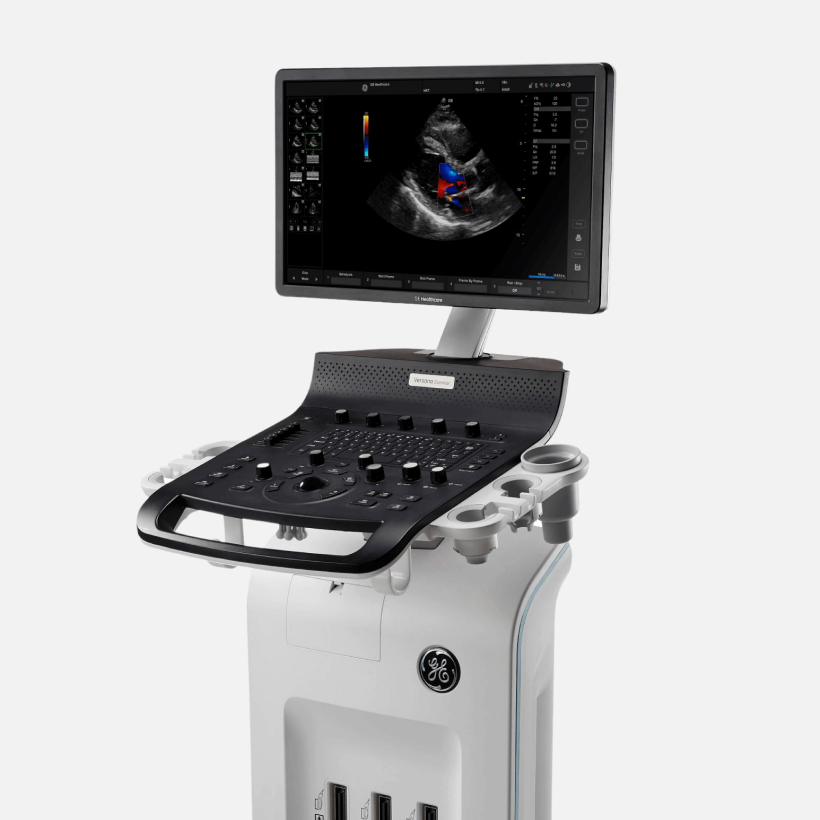 GE Ultrasound System
Used for real-time imaging during procedures such as bone marrow aspiration, joint cell injections, and for measuring subcutaneous fat thickness during liposuction
-
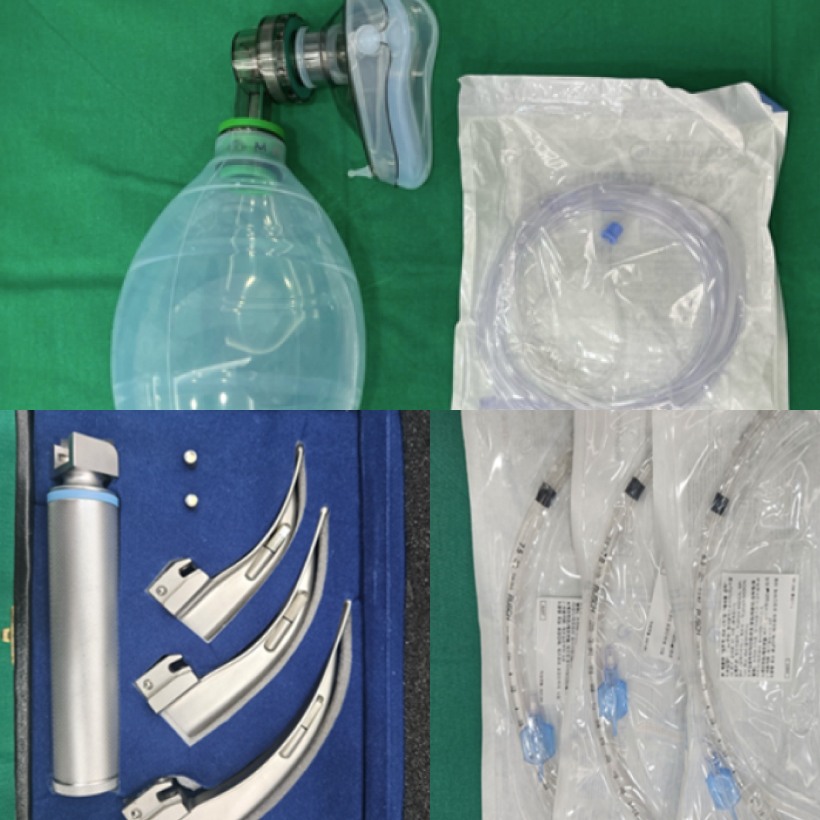 Intubation Device
Airway intubation, oxygen supply and artificial respiration device for emergencies
-
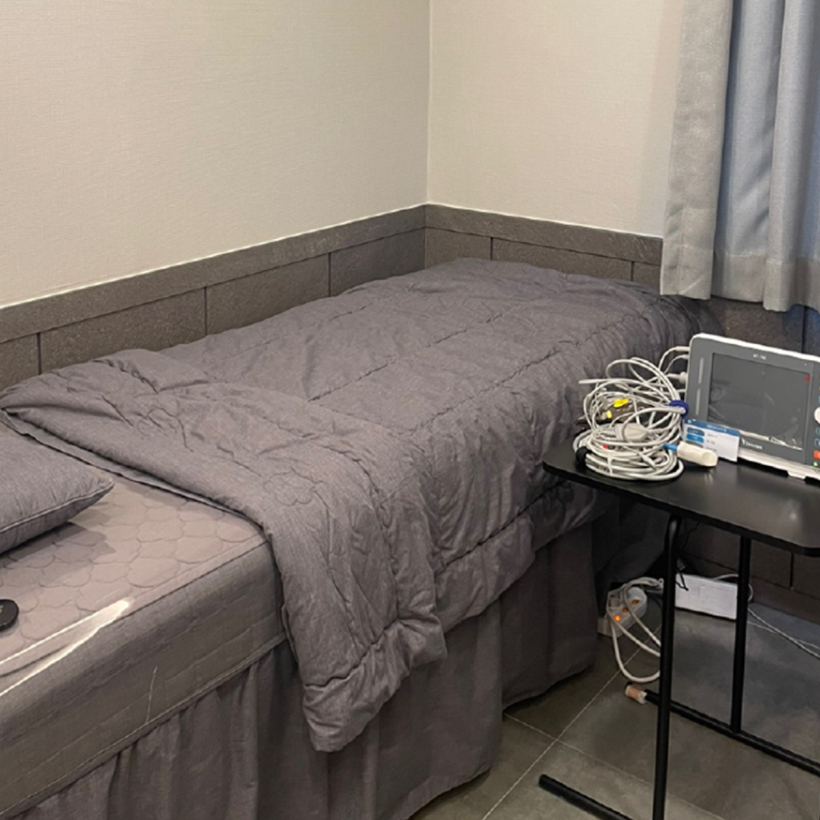 Recovery Room
A recovery room with blood-pressure measurement and ECG monitoring
-
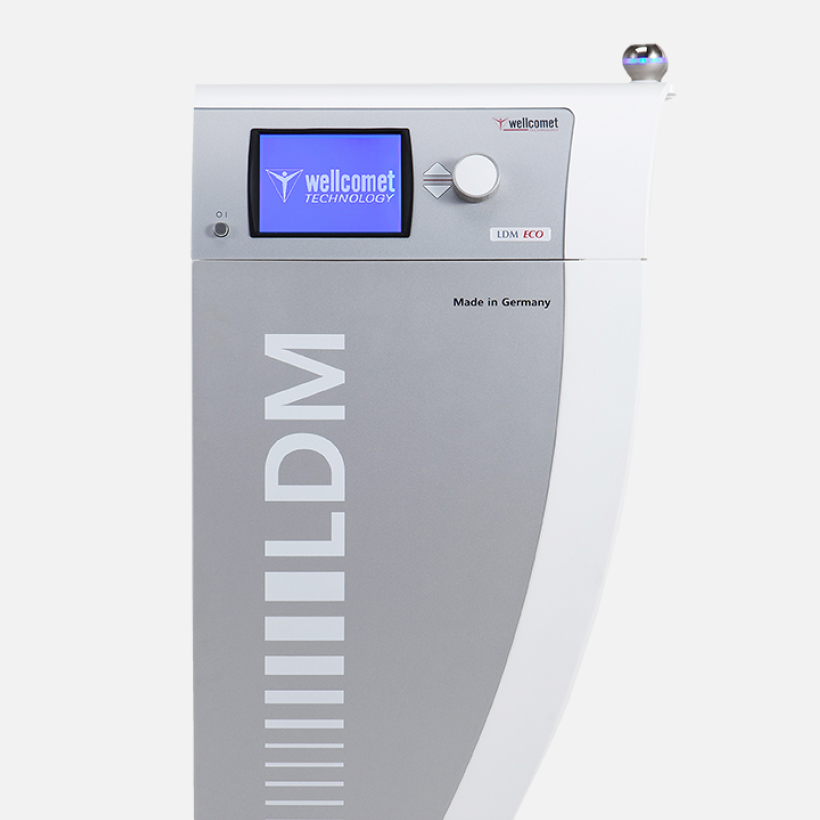 LDM
LDMSkin regeneration care after various procedures, including cell skin injections
-
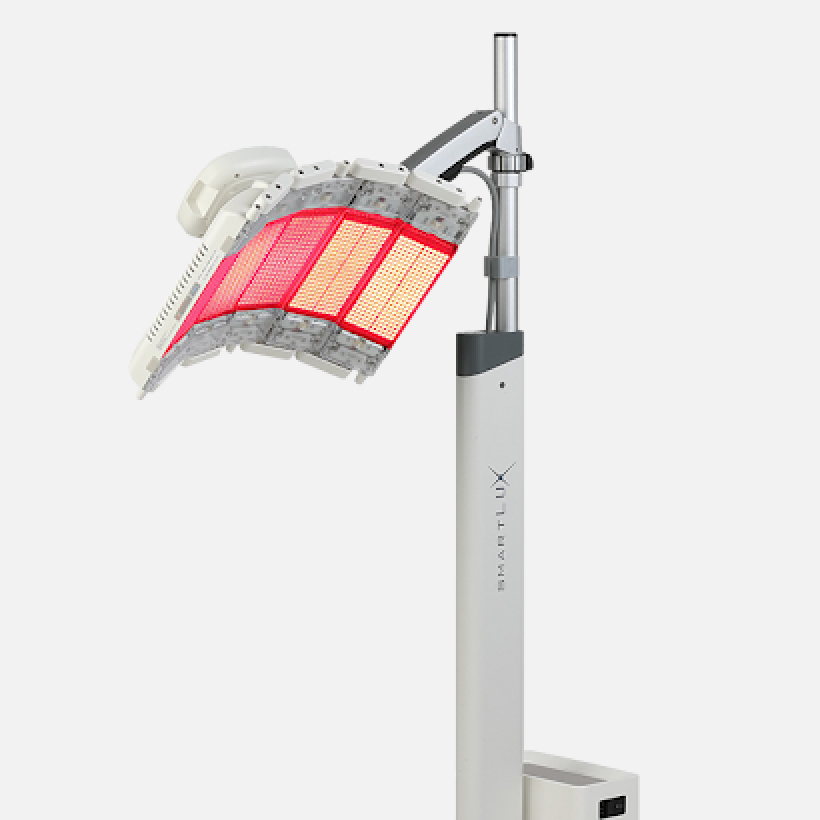 SmartLux
A low-level laser that promotes regeneration after skin and scalp cell injections
-
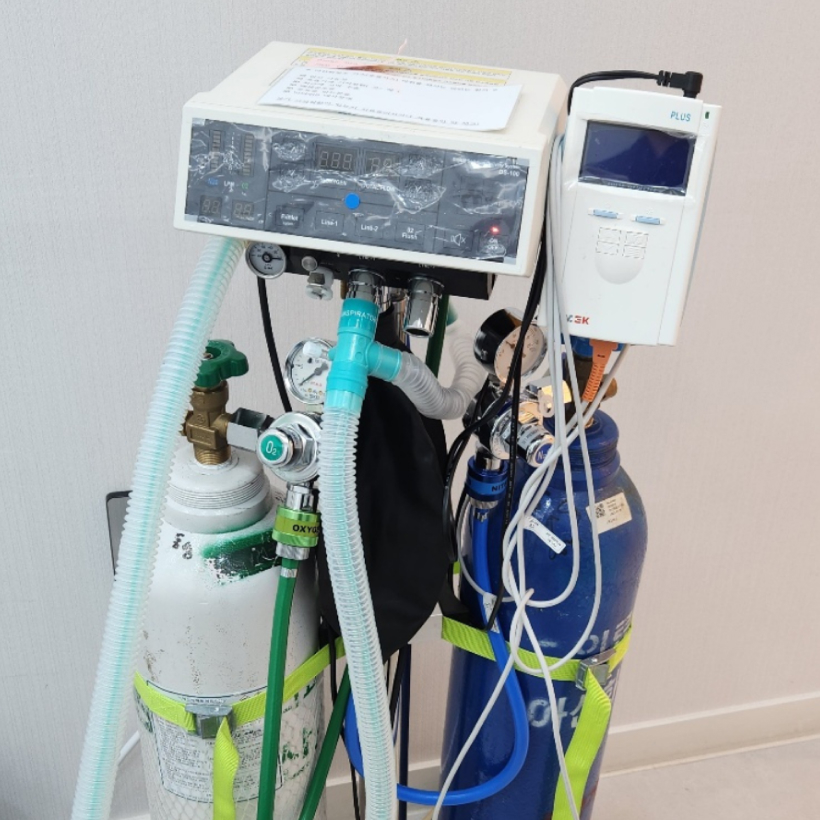 Laughing Gas Anesthesia Unit
A laughing-gas anesthesia unit using nitrous oxide
-
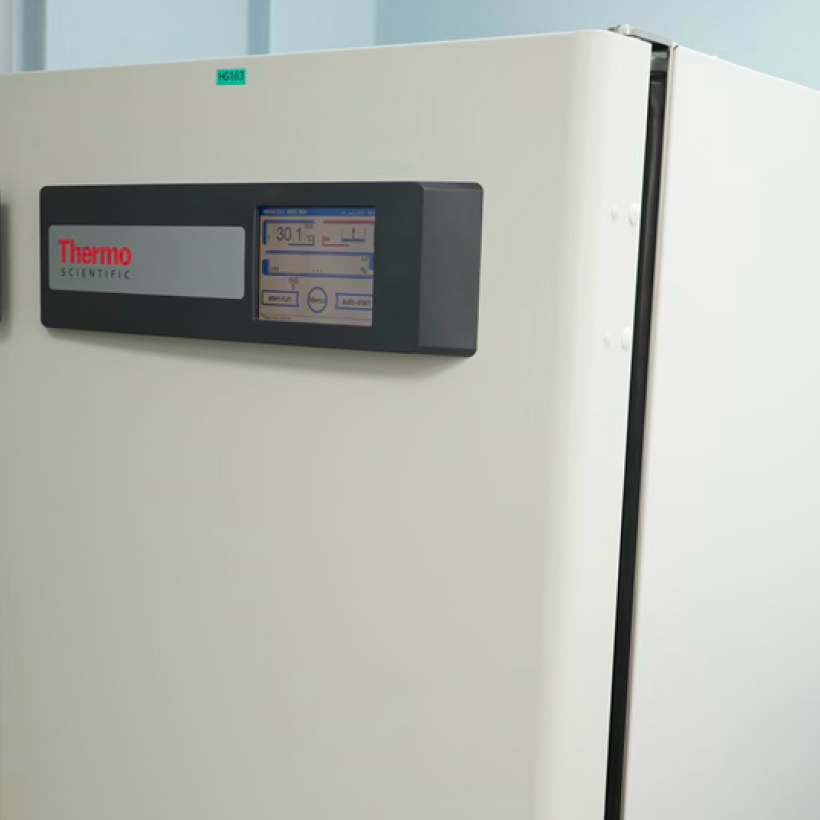 CO₂ Incubator
Precisely controls temperature and CO₂ concentration to provide a sterile environment for safely culturing stem cells and various other cells
-
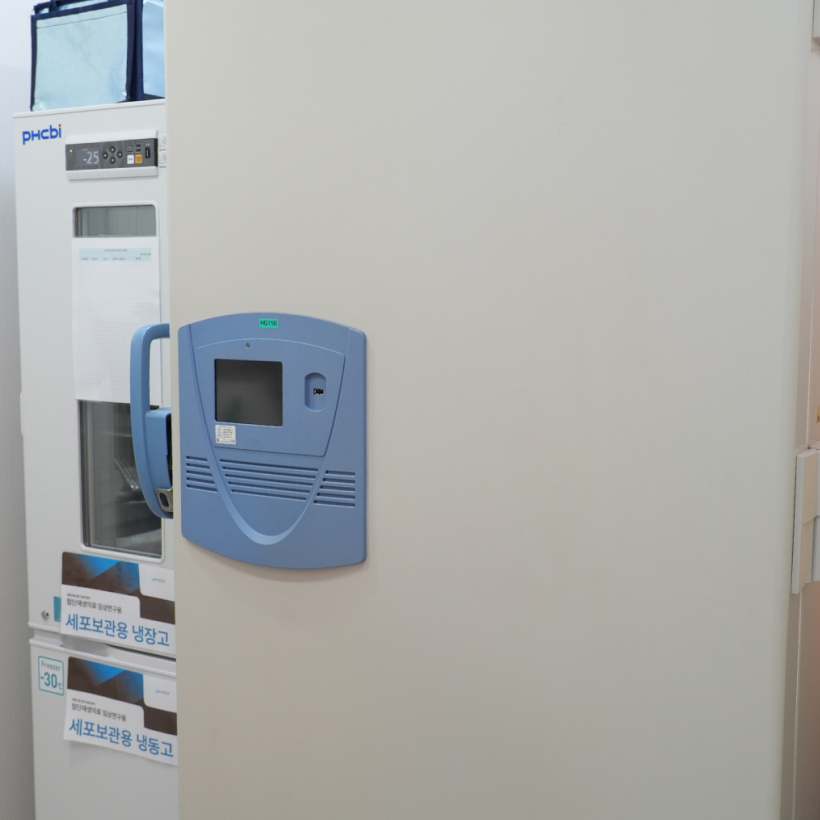 Deep Freezer
Safely stores cells, tissues and samples long-term at ultra-low temperatures of –80℃
-
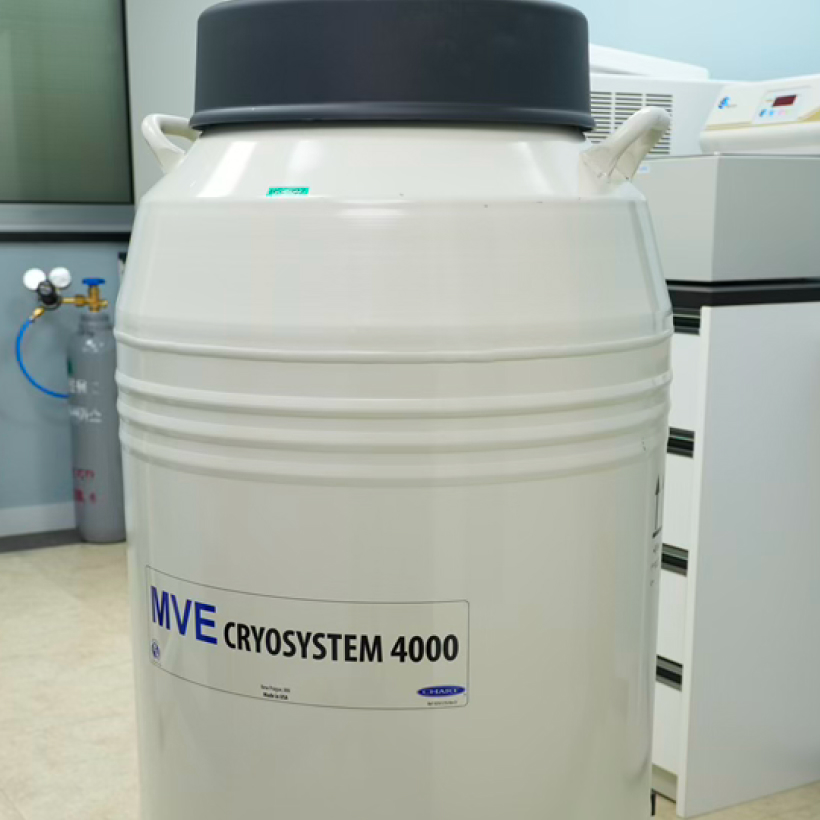 Liquid Nitrogen Tank
(LN₂ Tank, Liquid Nitrogen Storage)Preserves stem cells and tissues semi-permanently using –196℃ liquid nitrogen; used for stable management of high-value biological resources requiring long-term preservation
-
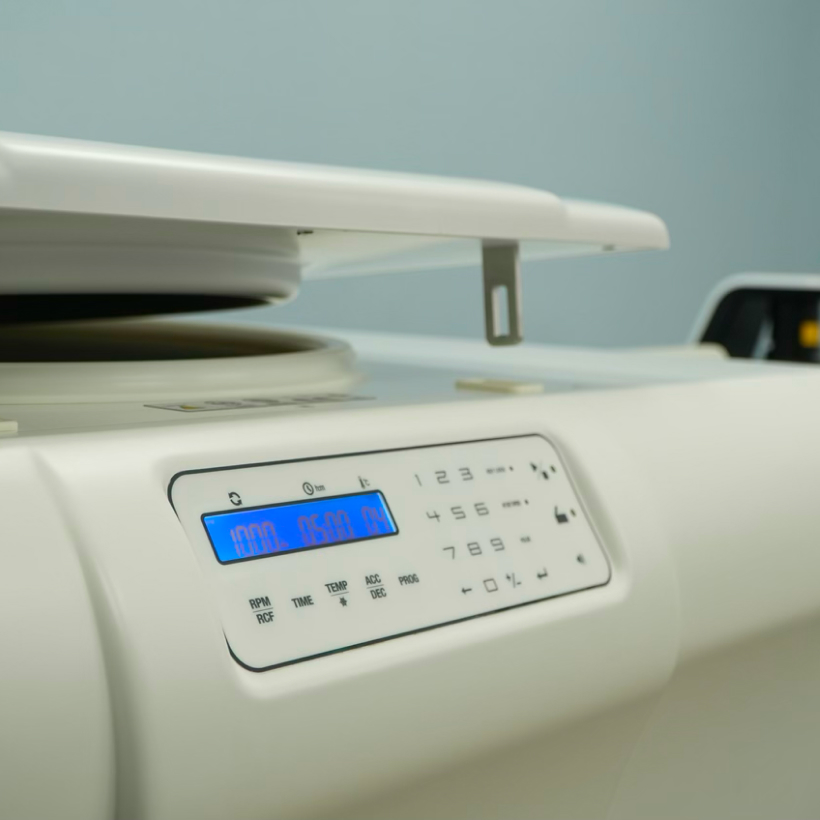 Refrigerated Centrifuge
Separates components within cells, blood and tissue through high-speed rotation, while refrigeration keeps the sample at a constant temperature so sensitive samples can be processed stably without cell damage
-
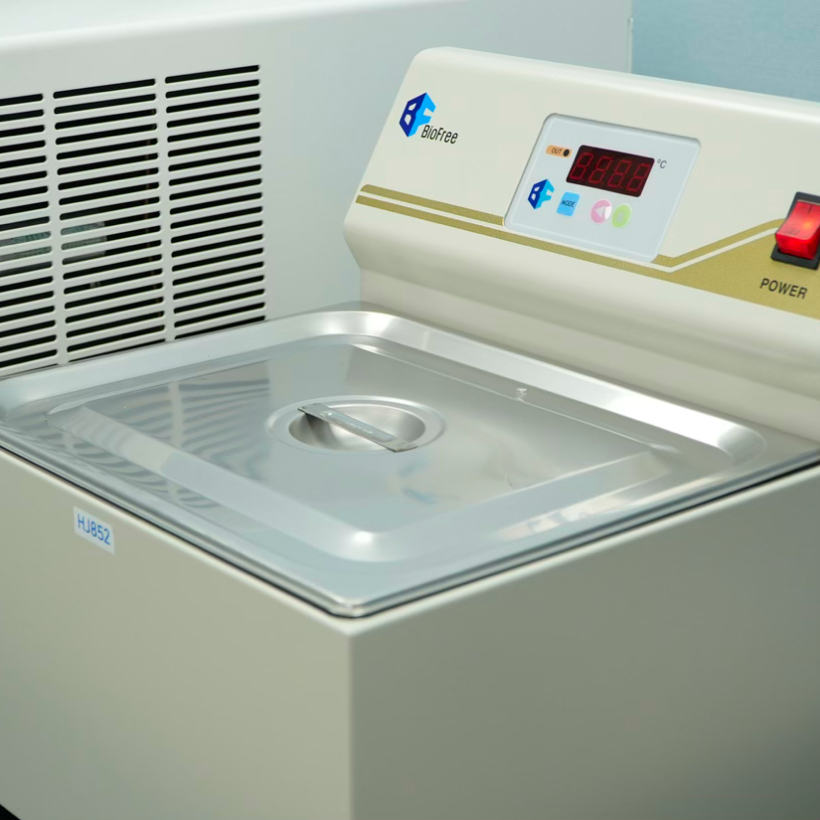 Water Bath
Heats uniformly at a precise temperature; used to thaw frozen cells or maintain a constant temperature during experiments
-
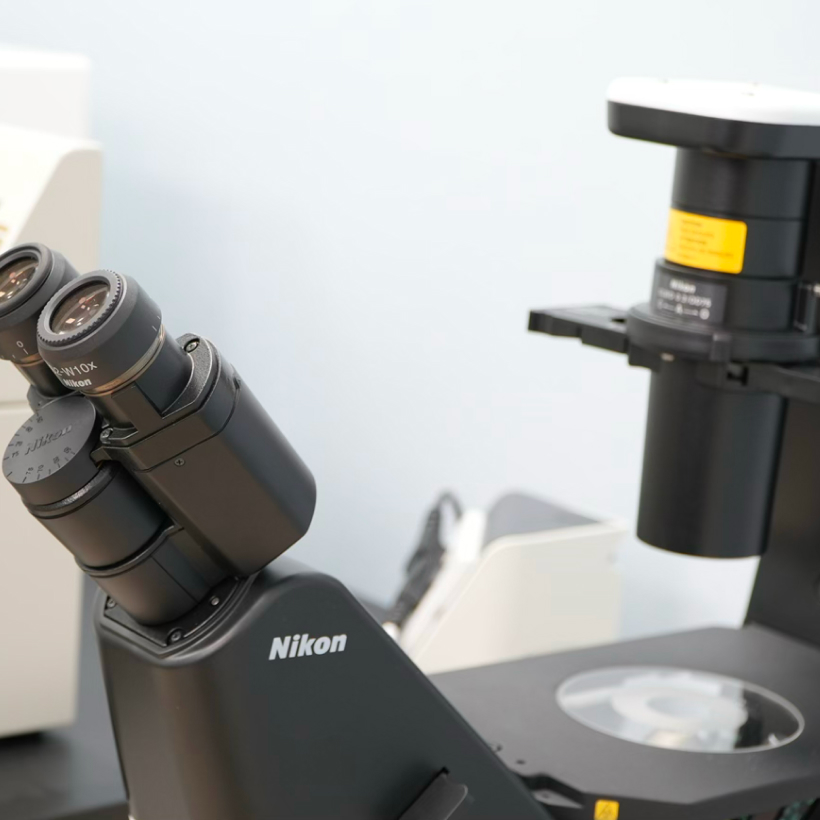 Inverted Microscope
A specialized microscope designed to observe cells cultured in flasks or dishes — essential for checking stem cell morphology and quality control
