







Worried About Hair Loss?
Saeron’s Non-Surgical Hair Restoration Approach
Hair Loss Treatment
Without Surgery
How Cell Therapy Helps Fight Hair Loss
Understanding the Science Behind Hair Restoration
Explore Our Hair Loss ClinicReal Results:
Cell Therapy Cases
at Saeron Clinic
View More Cases
-
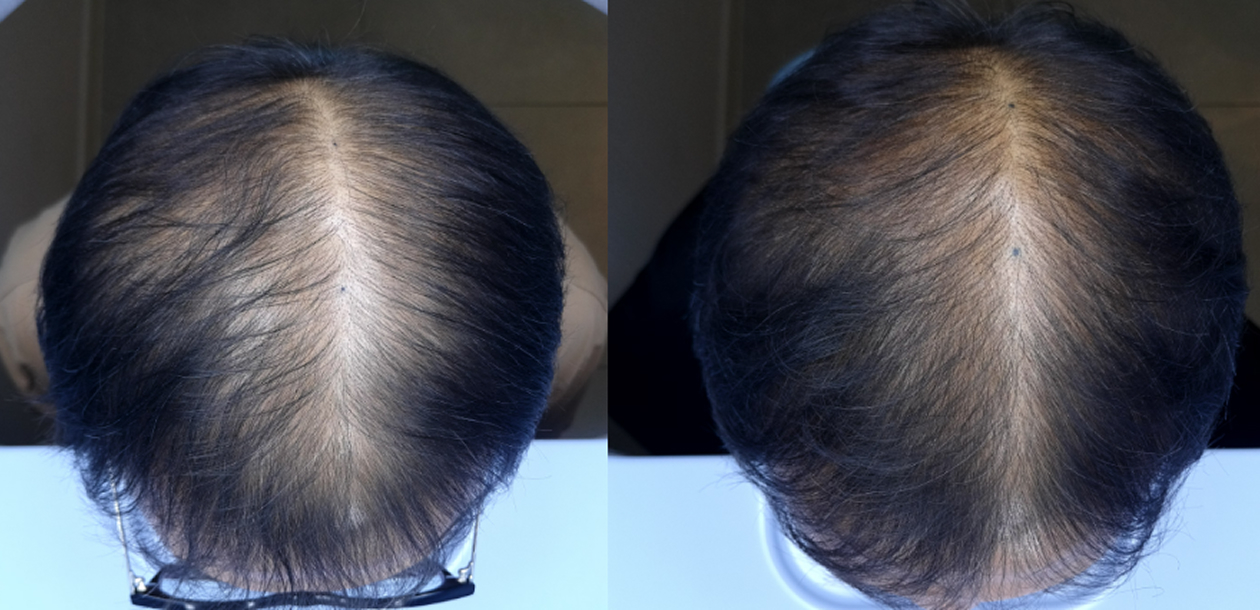
Case: 49-Year-Old Male with Male Pattern Baldness
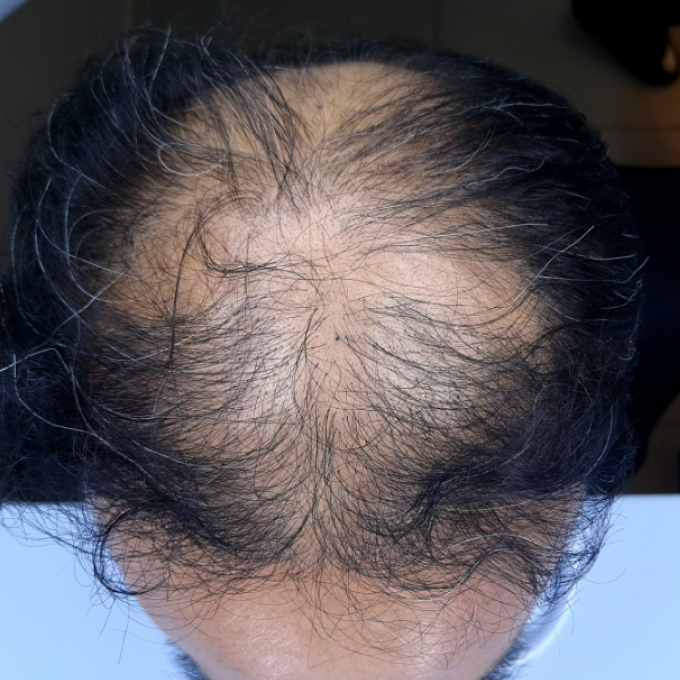 Before 24.12.31
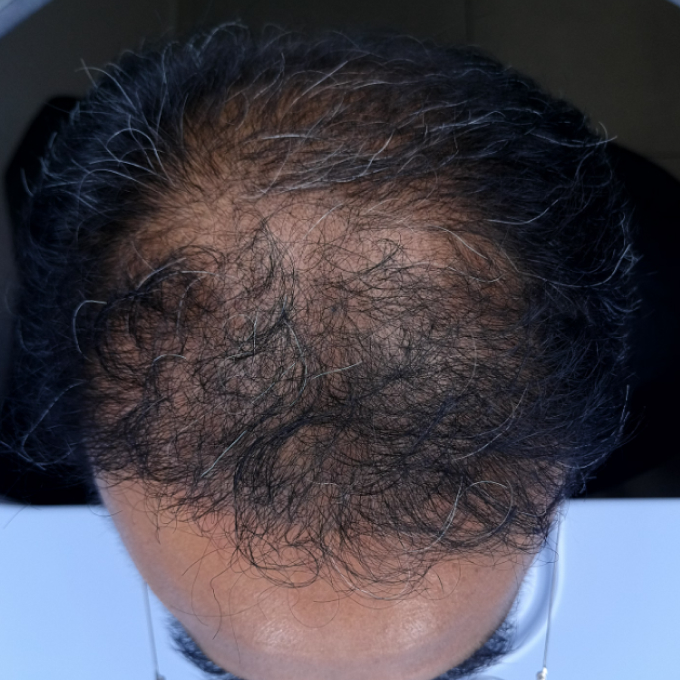 After 25.05.02
I underwent a hair transplant two years ago (5,000 grafts) but wasn’t able to maintain proper aftercare. As the thinning at the crown progressed, I decided to try cell therapy. The area filled in quickly, and the aftercare guidance made a big difference.
-
Case: 52-Year-Old Female with Menopausal Telogen Effluvium
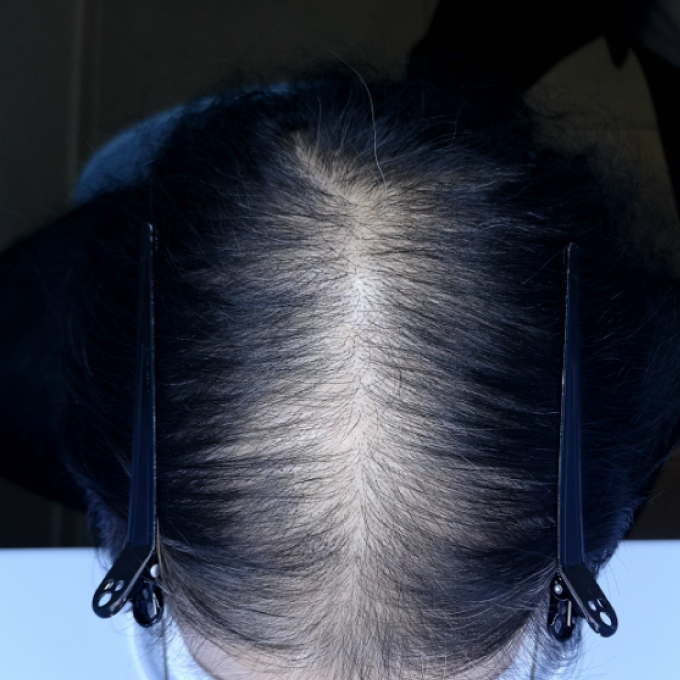 Before 24.12.19
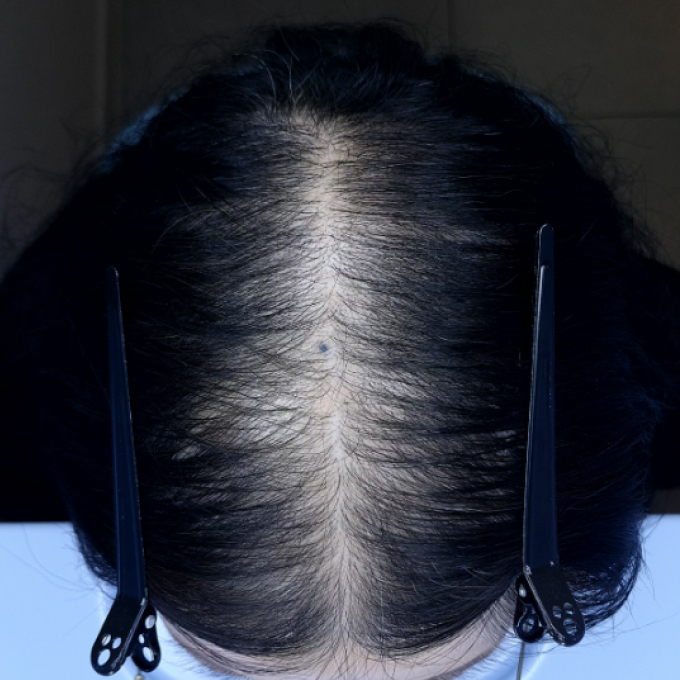 After 25.3.13
I had experienced postpartum hair loss in the past, but it recovered naturally. But after being diagnosed with hyperthyroidism, I began losing large amounts of hair daily, especially during shampooing. Within a few months, my part and crown became visibly thin, so I decided to begin treatment. By week 5 or 6, the shedding slowed, and new growth started to appear. I’m very satisfied with the progress and now receive follicle injections every 1–2 weeks for maintenance.
-
Case: Mid-50s Male with Long-Term Genetic Hair Loss
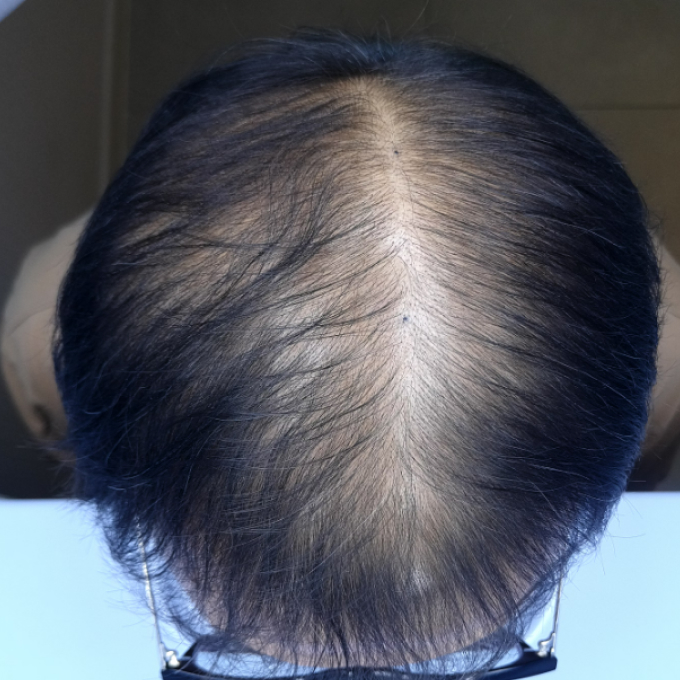 Before 24.01.23
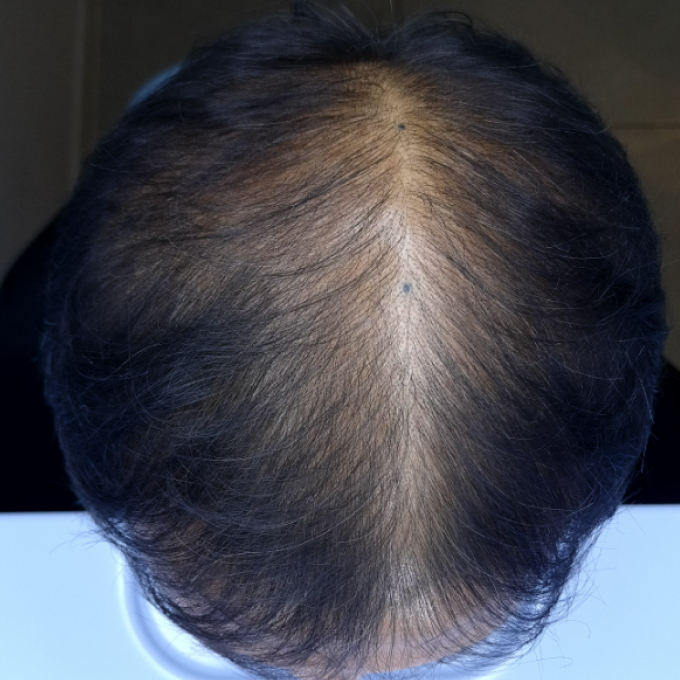 After 24.07.03
My hair loss had been progressing for over 10 years, but I hadn’t paid much attention or sought treatment. But recently, the thinning became more noticeable and my hair strands were getting finer, so I decided to try fat-derived stem cell therapy. Seeing improvement without taking oral medication gave me confidence in the treatment. Now I’m maintaining with basic hair loss medication and feeling satisfied with the results.
Understanding
the Core Principles of
Hair Loss Treatment
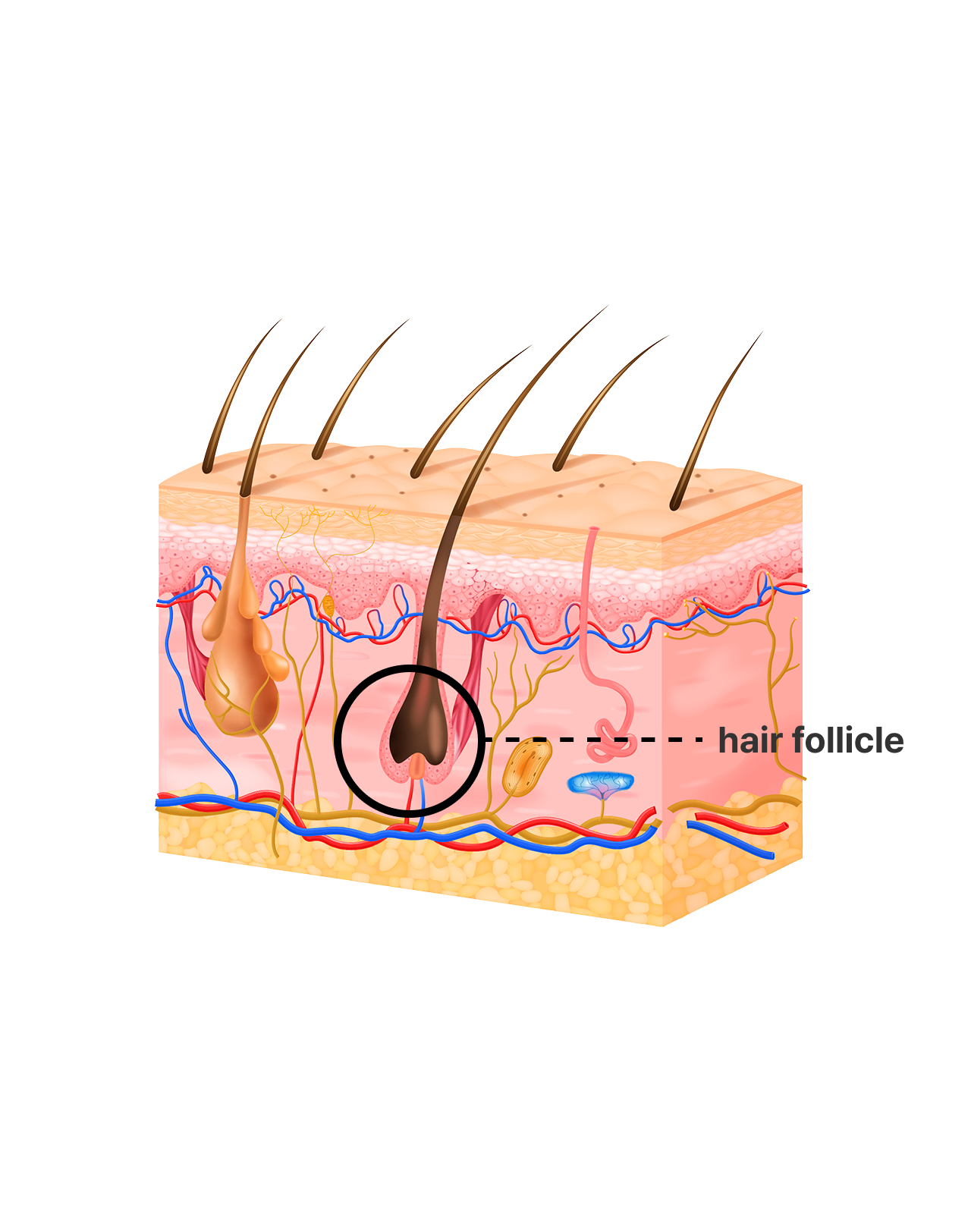
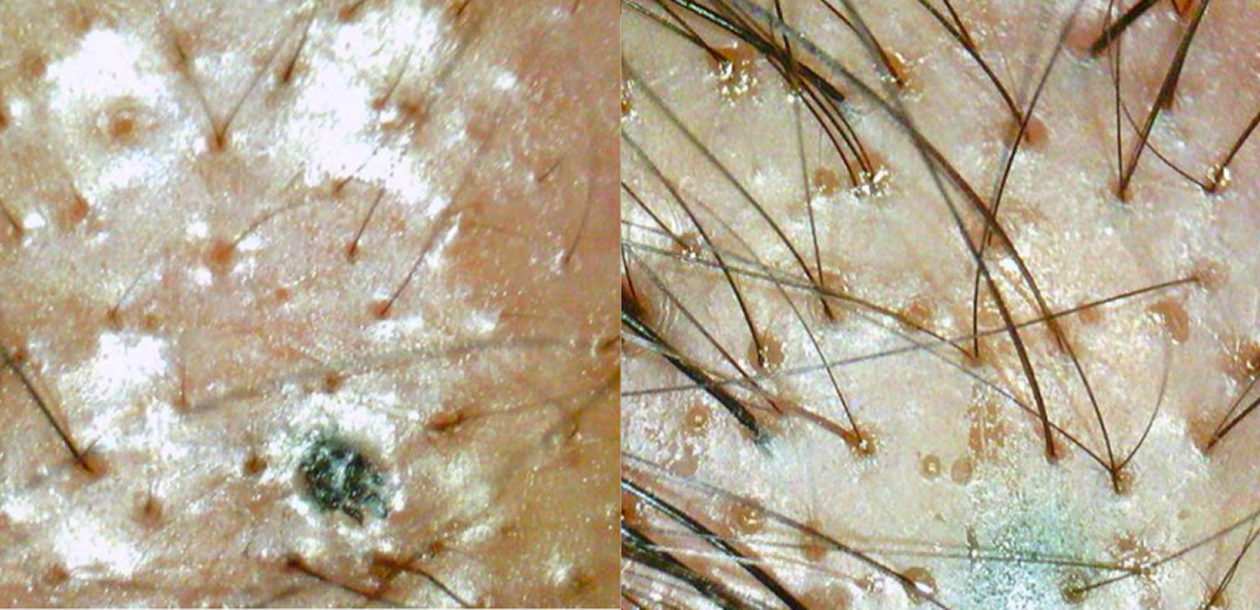
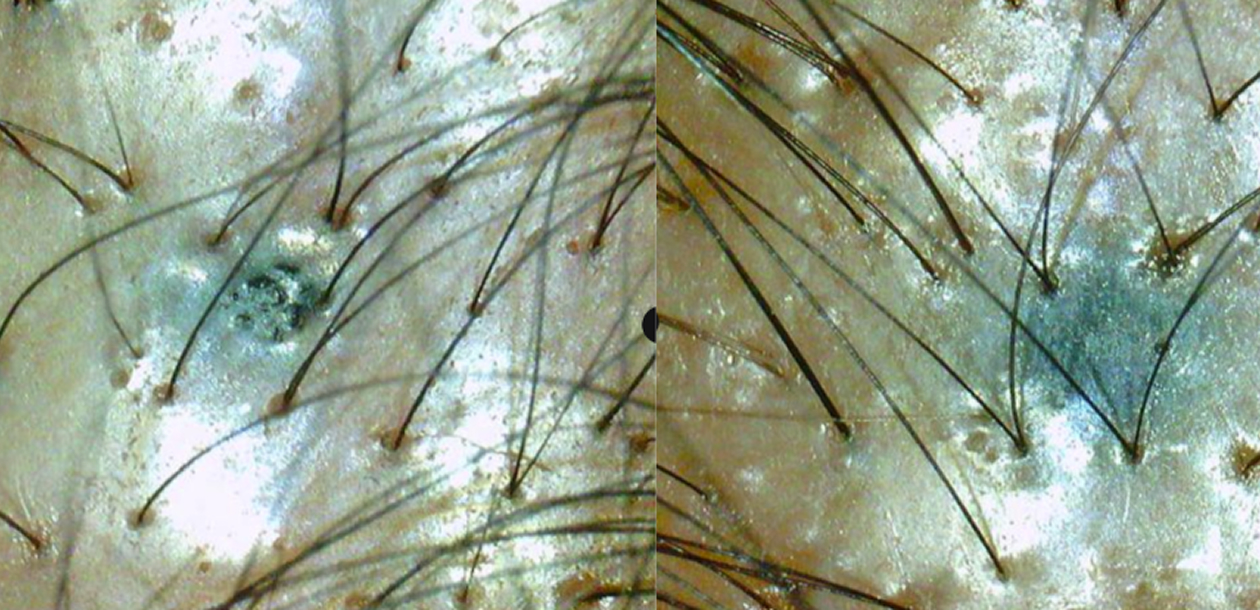
- Q. Do you see the black circles in the image?
- That’s where hair loss begins—at the hair follicle.
- Q. So where should treatment be focused?
- The answer is simple: the follicle.
- Q. What should we use to treat the follicle?
- Stem cells (from blood, bone marrow, fat, or follicles),
growth factors, PRP, botulinum toxin, exosomes.
- Q. How do we deliver treatment to the follicle?
- Through the bloodstream
→ Oral or systemic medications
Through the skin barrier
→ Direct injections or specialized devices
Our Treatment Procedure
Why Choose Saeron
for Hair Restoration?
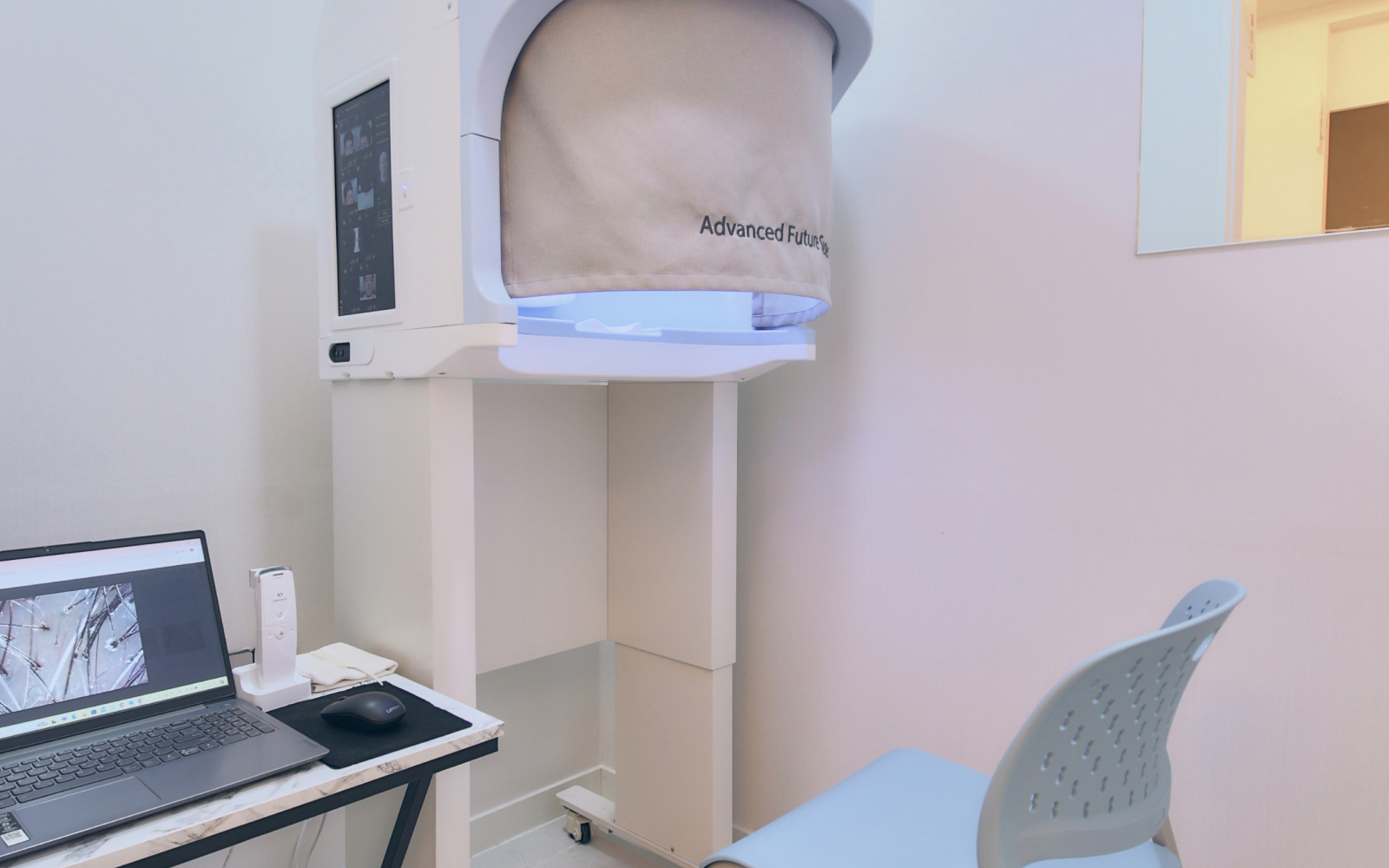
We use high-resolution devices like the Folliscope and AFS to assess scalp condition, track treatment progress, and ensure accurate diagnosis from the start.
Learn More →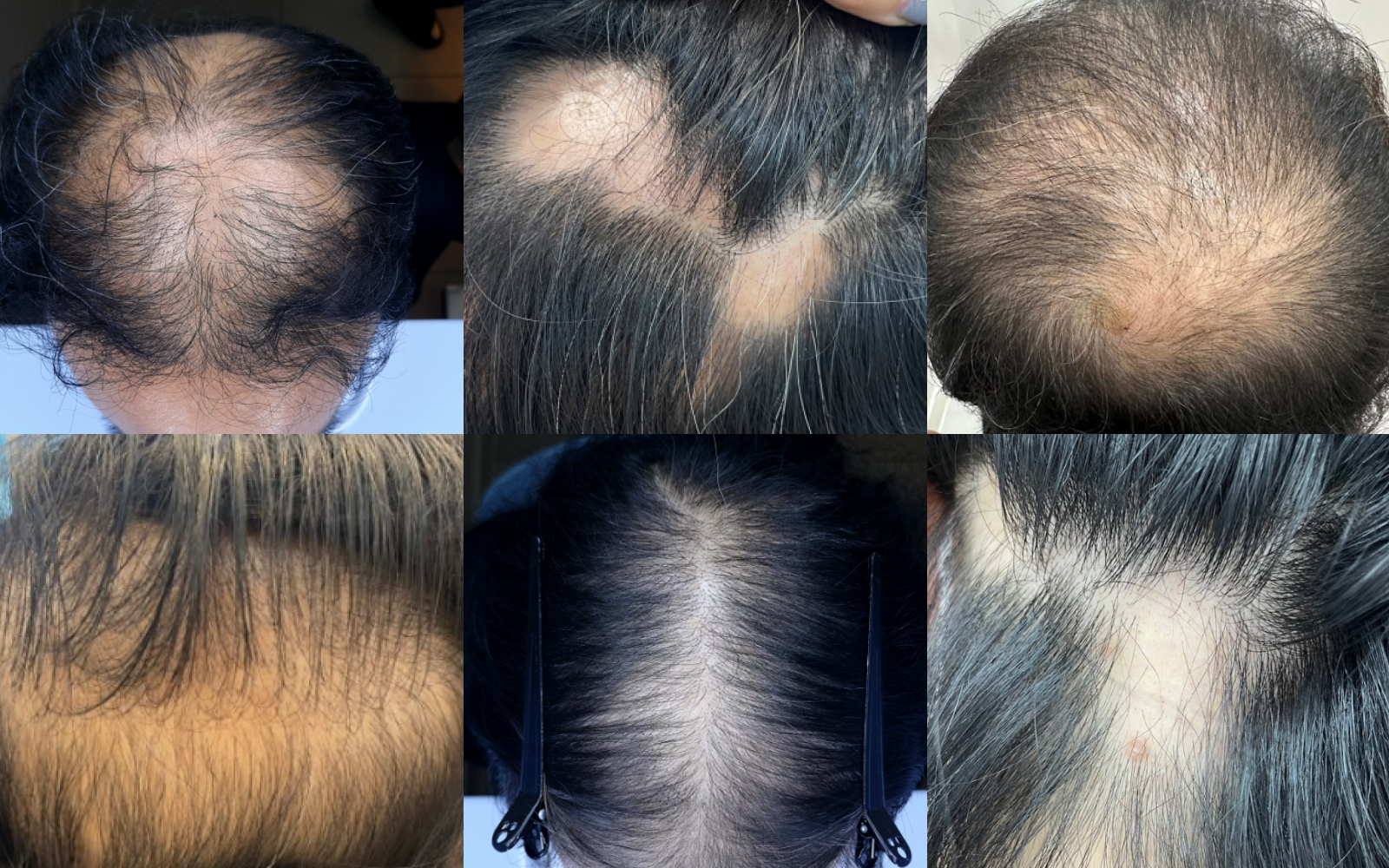
We treat various types of hair loss—including male and female pattern baldness, alopecia areata, and telogen effluvium—with personalized, regenerative approaches.
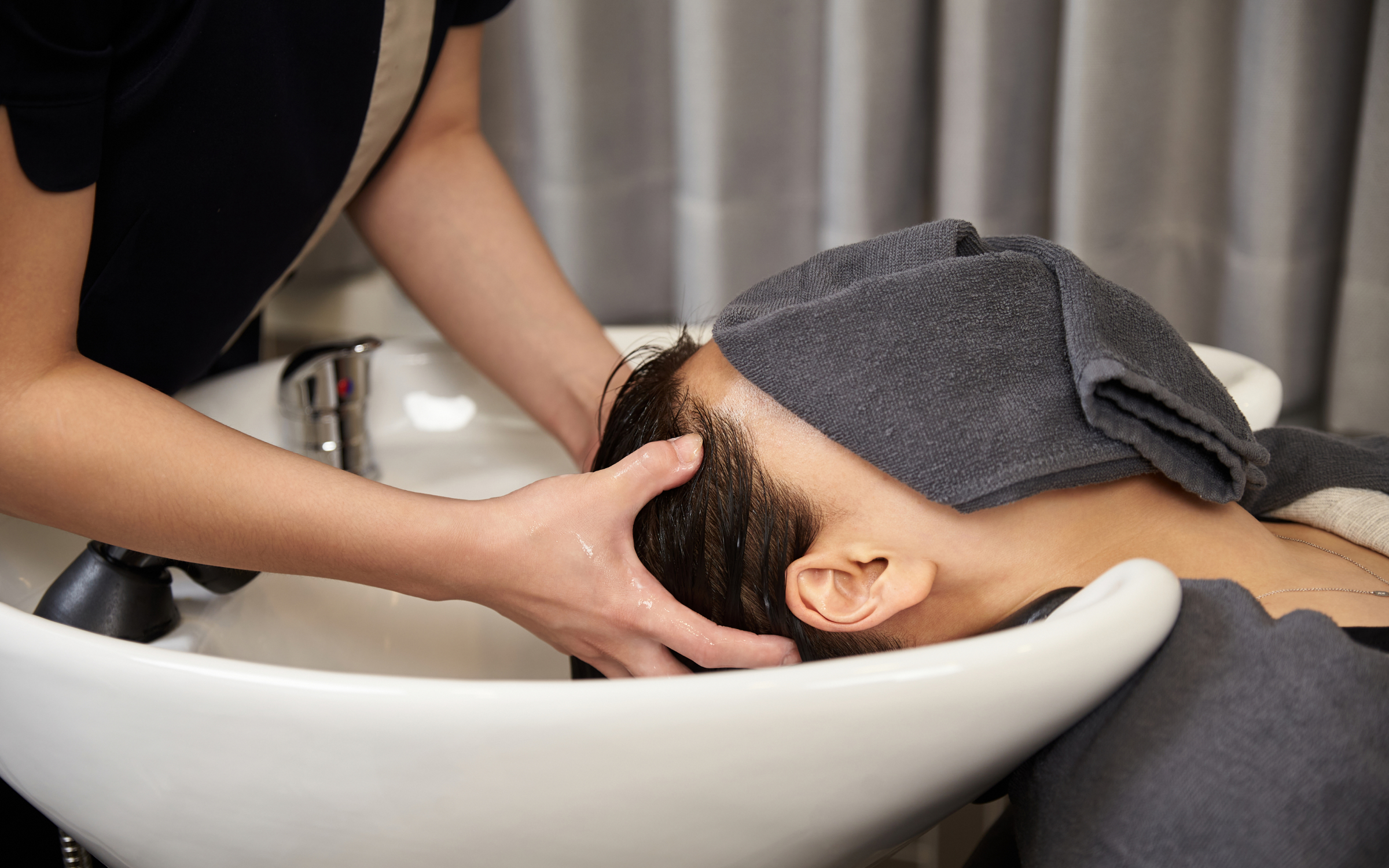
Our clinic is equipped with dedicated hair restoration spaces designed for hygiene, patient safety, and procedural precision.
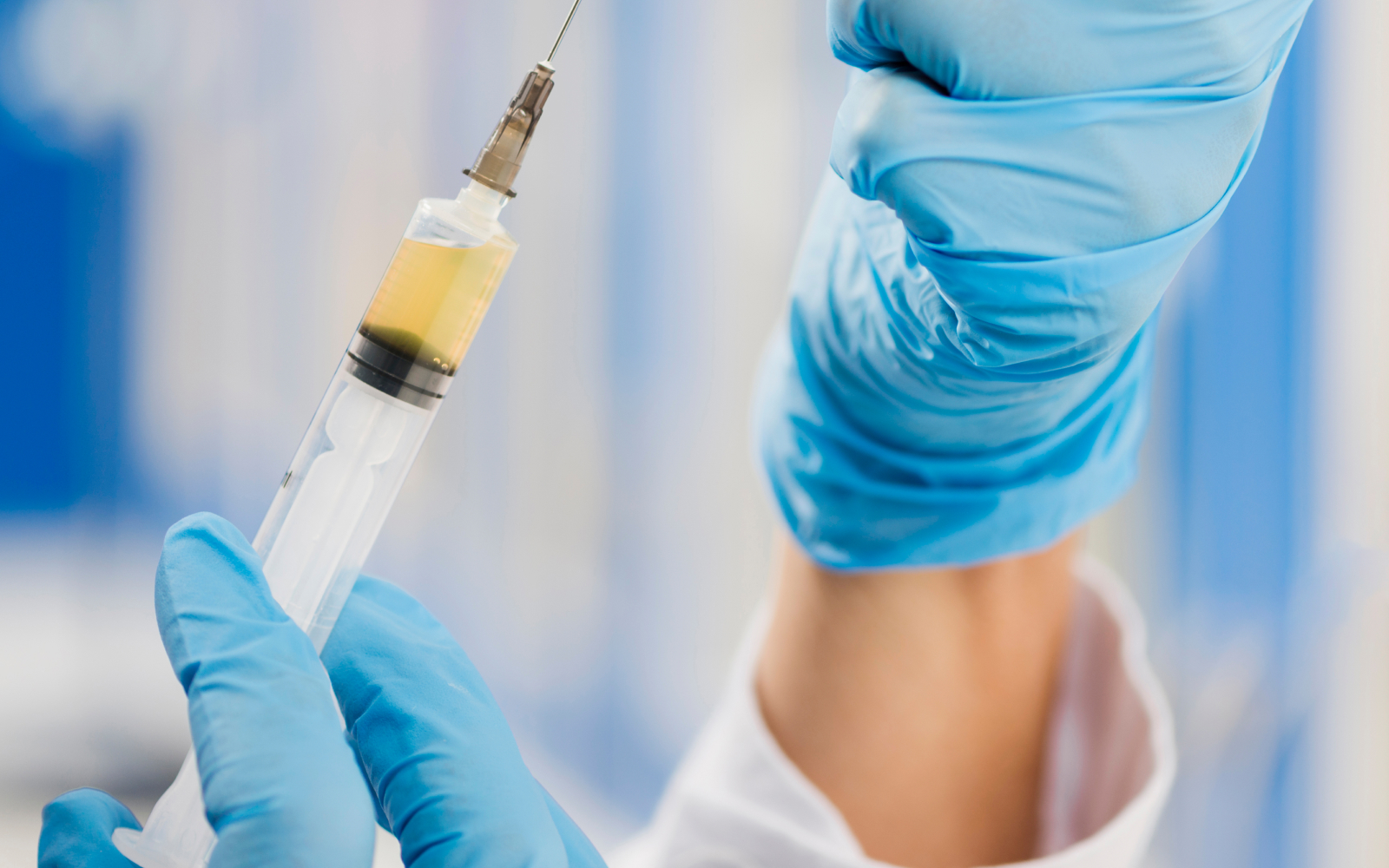
We screen for underlying metabolic issues and nutritional imbalances that may contribute to hair loss, offering IV therapy and targeted care as needed.

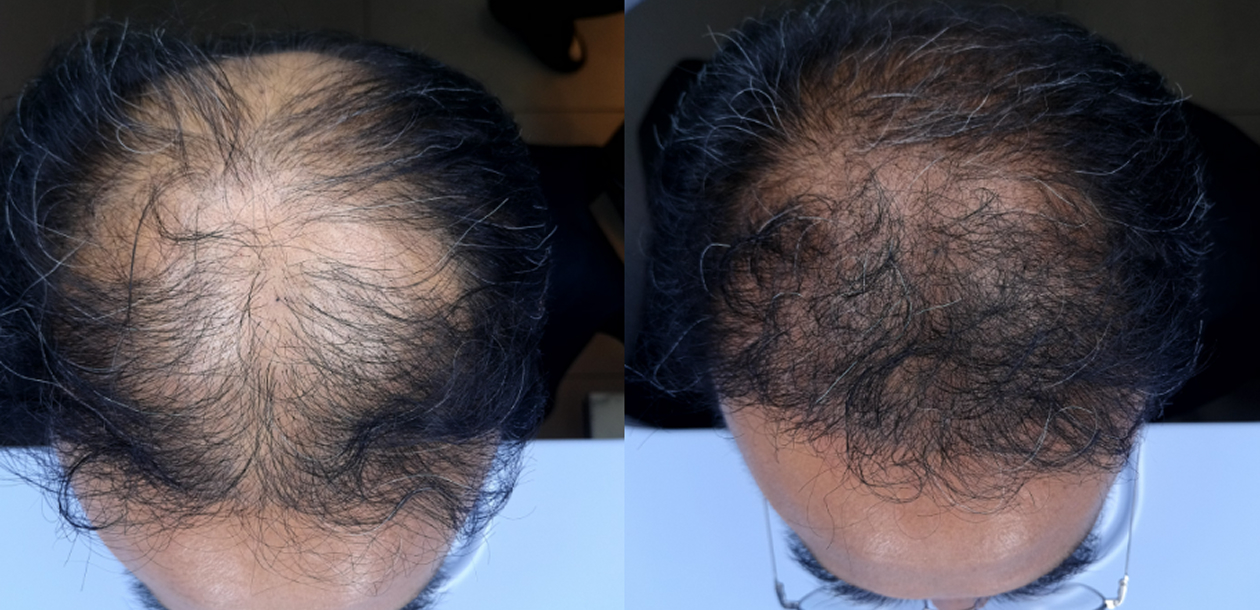
What if we can see results
with just one treatment?
Real results: Adipose stem cell therapy combined
with micro-fat grafting
Our Treatment Procedure
What Makes Saeron’s
Cell Therapy Hair Restoration Different
- Other Clinics
- Advanced
Diagnostics : Optional - Micro-Fat
Grafting : Not Available - Multiple Stem
Cell Types : Not Available - Sleep
Sedation : Not available (Requires separate vital monitoring
and physician presence)
- VS
- Advanced
Diagnostics - Micro-Fat
Grafting - Multiple Stem
Cell Types - Sleep
Sedation
- Saeron Clinic
- Advanced
Diagnostics : Standard - Micro-Fat
Grafting : Available - Multiple Stem
Cell Types : Available - Sleep
Sedation : Available
Who May Not Be Suitable for Regenerative Injections
While cell therapy can benefit many patients,
it may not be appropriate in the following cases:
- Patients with active or unresolved cancer or tumors
- Conditions that require standard treatment first
(e.g., appendicitis requires surgery; gastric ulcers require endoscopic treatment) - Individuals with poorly controlled diabetes or infections,
or those unable to manage these conditions - When other underlying health issues must be addressed first,
or when surgery is medically indicated - Any situation where our medical team determines that
regenerative therapy is not clinically appropriate
Hair Restoration Equipment & Facility Overview
-
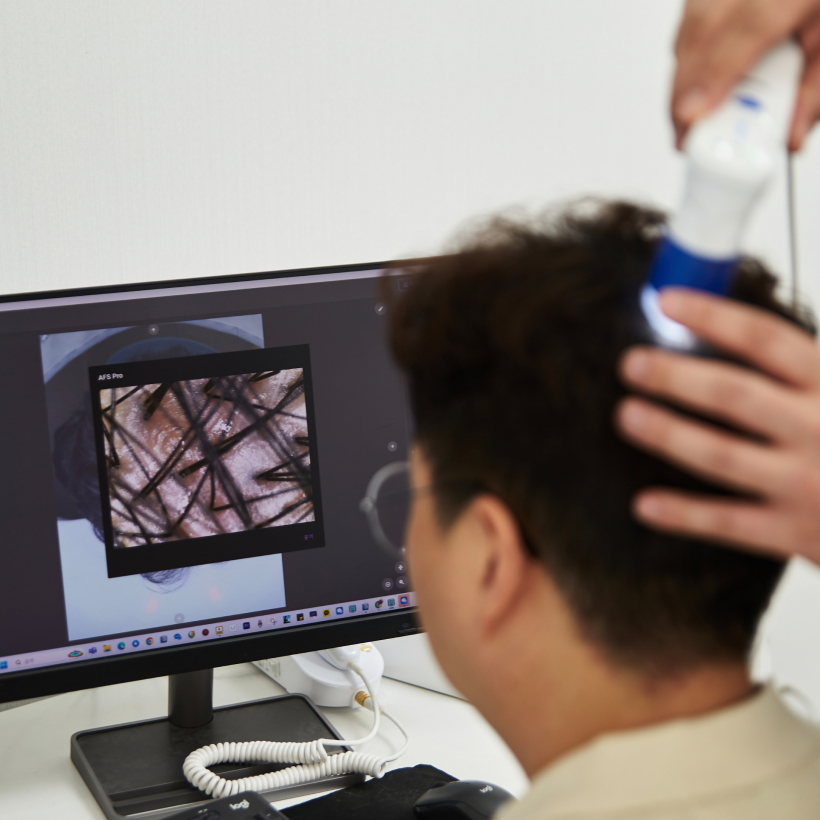 Folliscope
(High-Magnification Scanner) -
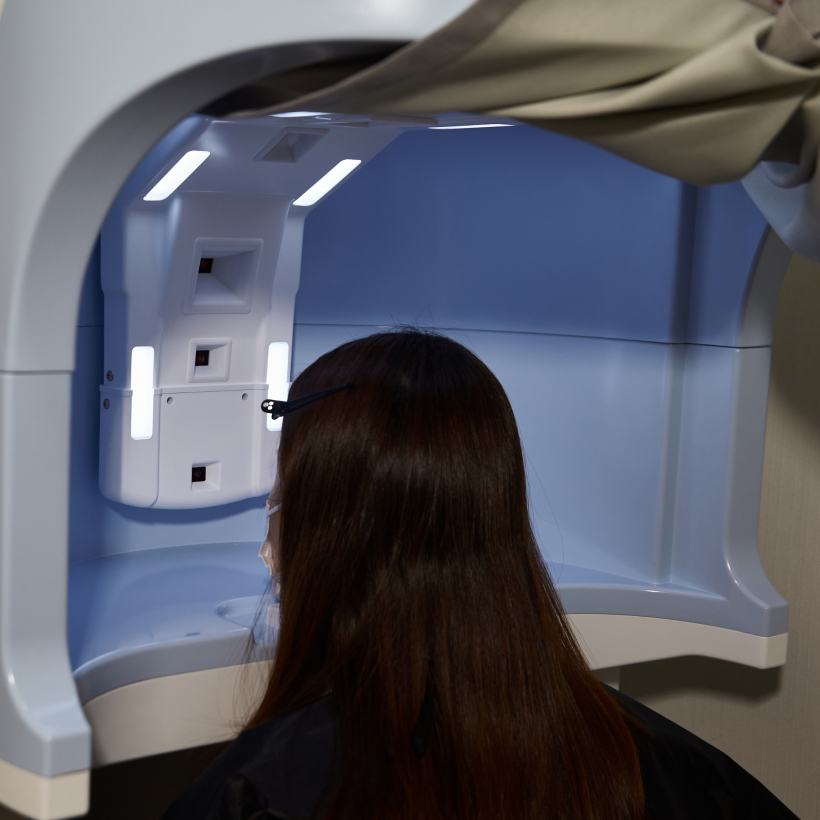 AFS (AI Imaging System)
 -
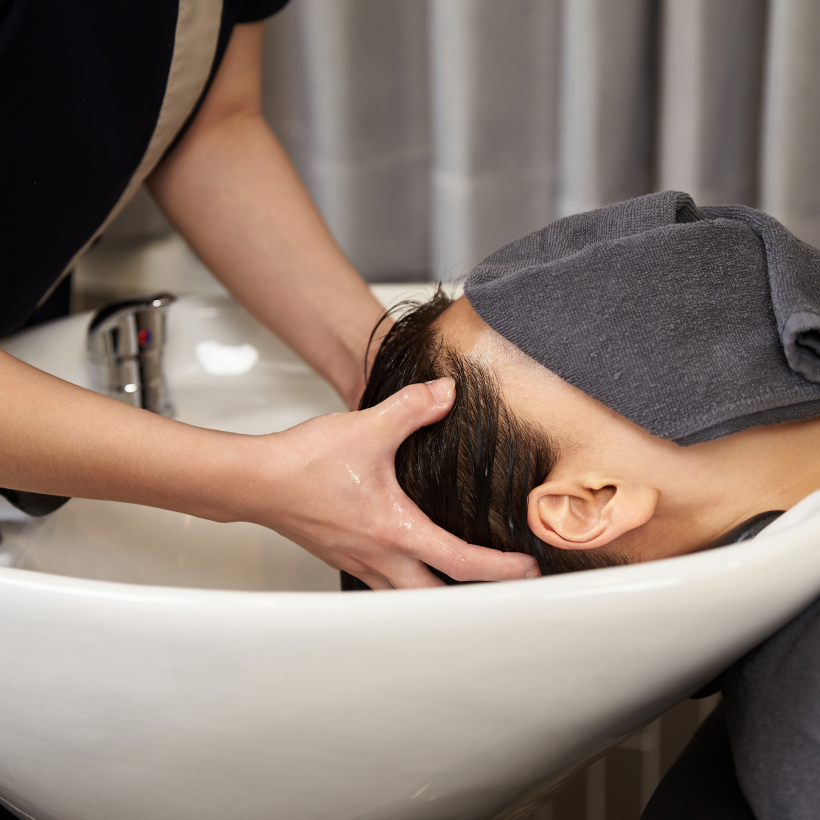 Scalp Spa Room
(Scaling Steamer & Shampoo Unit) -
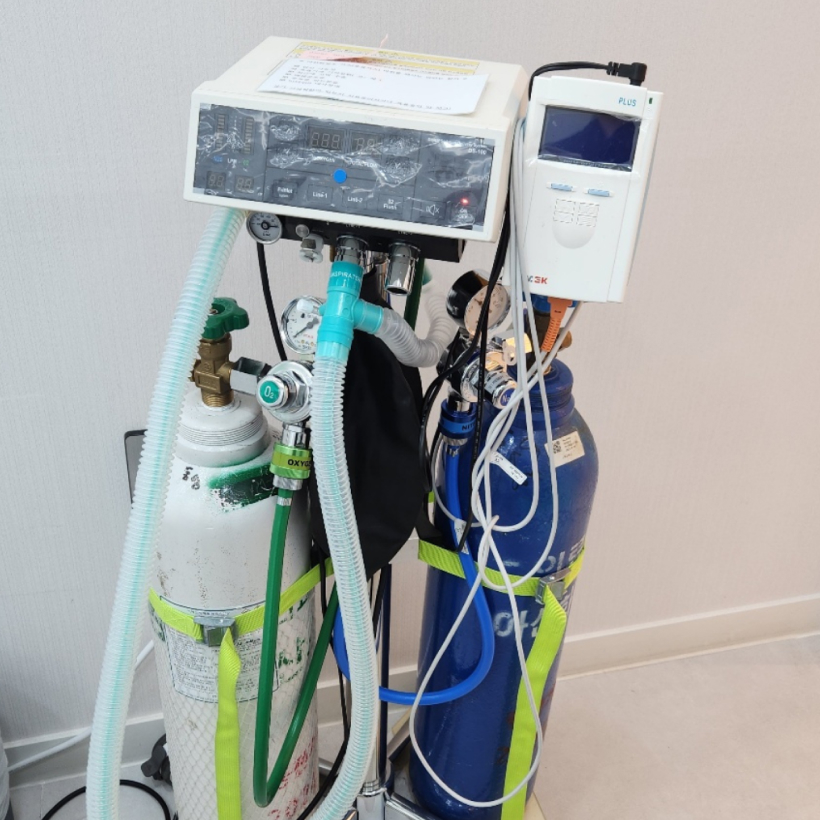 Painless Anesthesia System
Local Anesthesia, Inhalation Sedation, IV Sedation(Sleep Sedation) , Cooling Device
-
 Cell Extraction System
 -
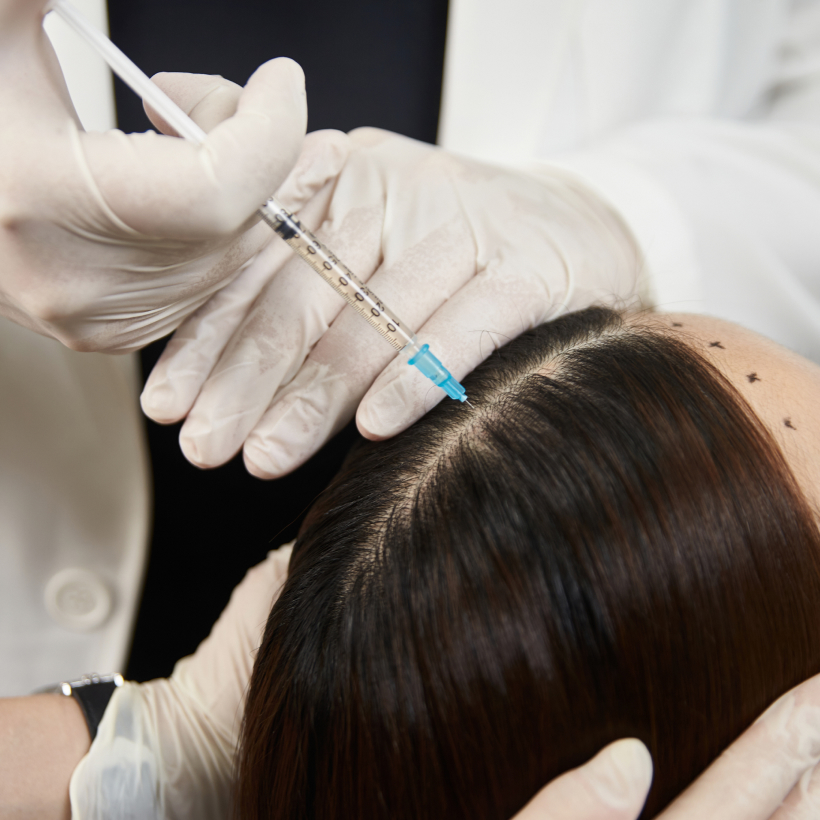 Custom Hair Growth Formulations
Our proprietary growth factor blends are updated 1–2 times annually based on the latest clinical data.
-
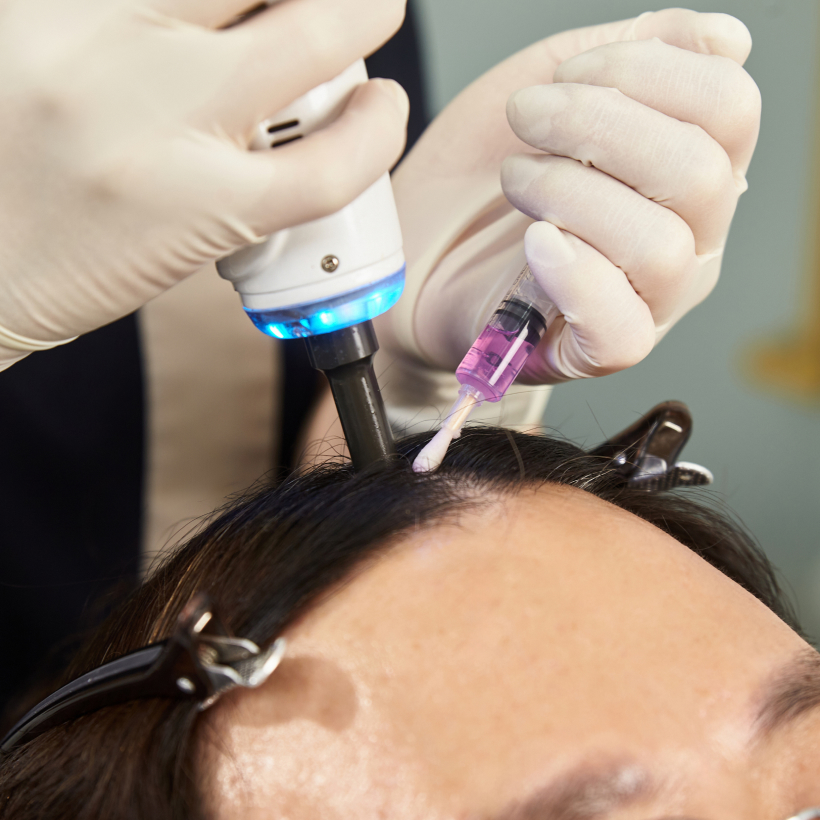 Bellasone Ultrasound Device
 -
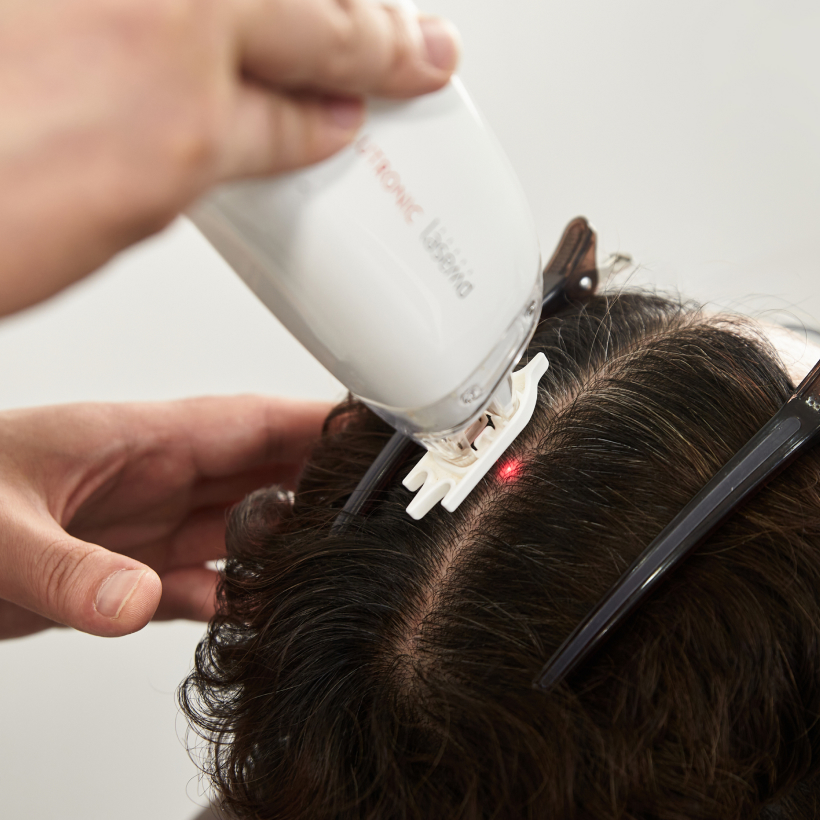 LaseMD Laser
 -
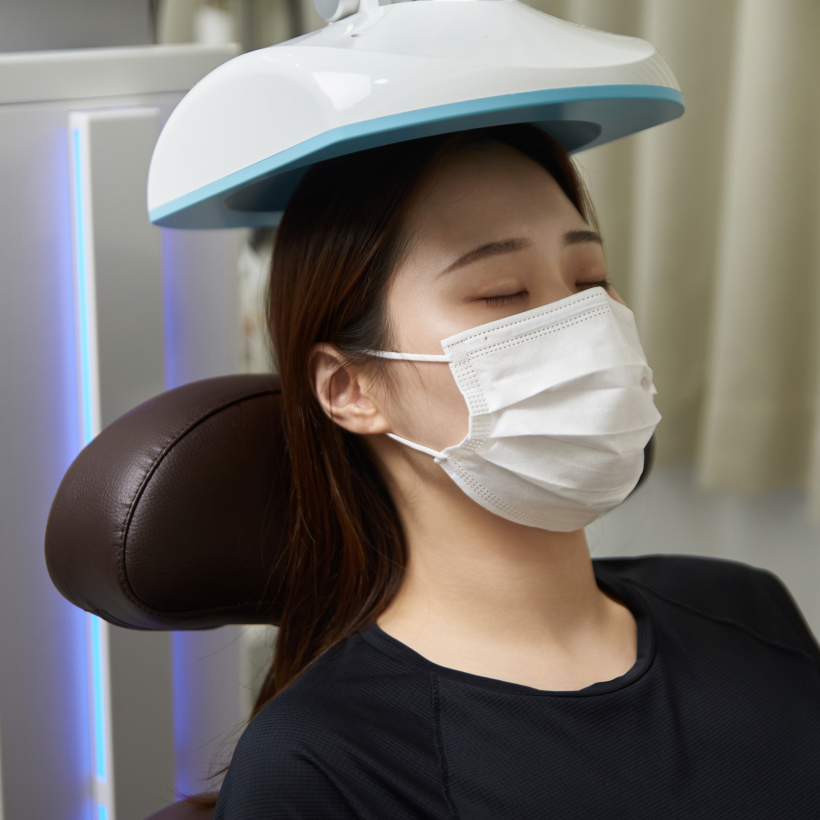 HairCell Magnetic Therapy
 -
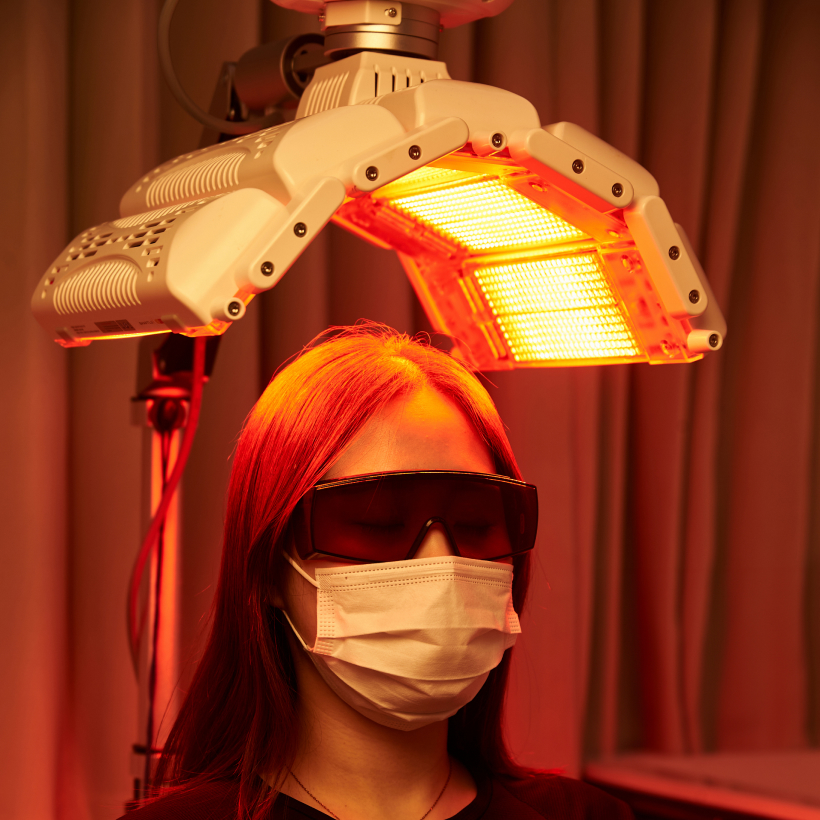 SmartLux LED Therapy

Saeron Youtube: Hair Loss Treatment Insights
-
This Shampoo Habit Could Be Causing Hair Loss (feat. Seborrheic Dermatitis)
-
Gray Hair? Hair Loss? Here’s What You Can Do.
-
Why Your Hair Is Getting Thinner — And How to Make It Thicker
FAQ
Are there types of hair loss that can’t be treated?
Yes—and that’s why an accurate diagnosis is the first step toward successful treatment.
Non-surgical therapies can be effective for androgenetic hair loss (male and female pattern baldness) and telogen effluvium, which causes rapid shedding over a short period.
However, conditions like scarring alopecia or cases where the scalp appears thin without actual follicle damage may respond poorly to treatment. That’s why it’s essential to begin with a thorough evaluation to determine the exact type of hair loss.
Once I start treatment, do I need to visit the clinic every week?
For best results, we recommend visiting the clinic once a week.
If weekly visits are difficult, coming in every 10 to 14 days is still beneficial for progress checks, follicle injections, laser therapy, or magnetic stimulation.
While cell therapy and follicle-based injections can be effective on their own, consistent in-clinic care during the initial treatment phase is strongly encouraged to maximize outcomes.
Is cell therapy always necessary, or can follicle injections
and laser treatment work on their own?
We often combine cell therapy with follicle injections to maximize treatment outcomes.
However, depending on your medical condition or underlying health issues, cell therapy may not be appropriate—or even recommended. In such cases, we may proceed with follicle injections and laser therapy alone, and many patients still benefit from this approach.
