What is an advanced regenerative medicine facility?
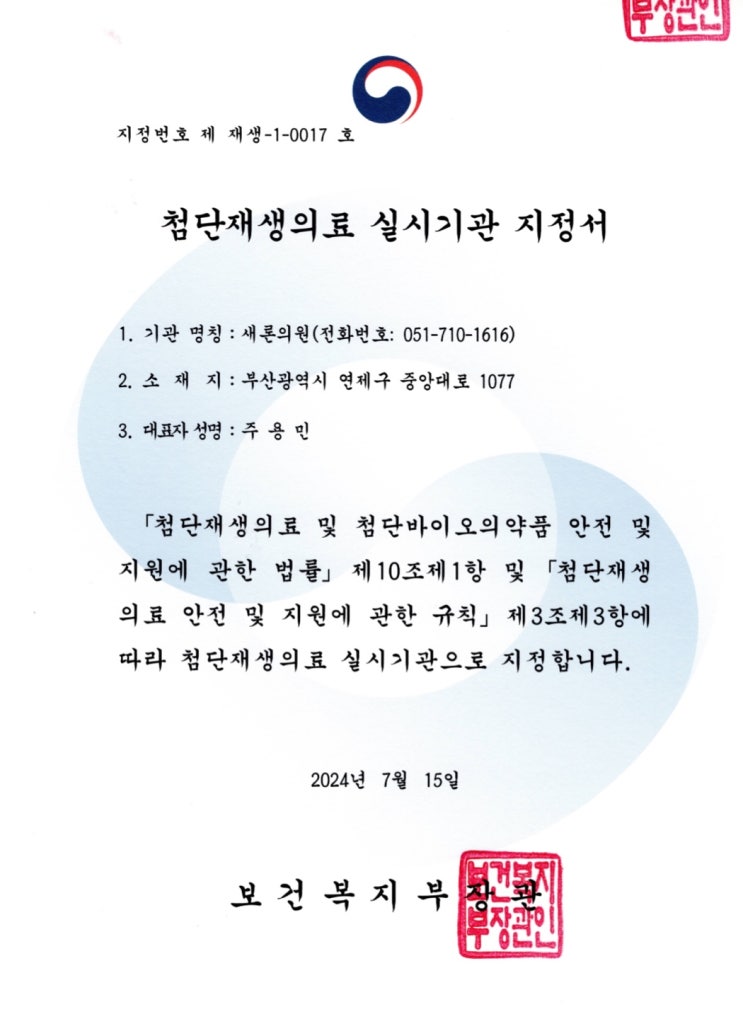
In July 2024, Saeron Clinic was designated an advanced regenerative medicine facility by Korea’s Ministry of Health. Here’s what that designation actually means — and how to choose a stem cell clinic you can trust — told honestly, alongside how we prepared for it.
An advanced regenerative medicine facility is a clinic the Ministry of Health rigorously screened and designated to safely deliver tissue-regenerating stem cell or gene therapies. The designation reflects not facility grade but state verification of the entire process — harvest, isolation, storage, procedure, and records.
Key takeaways
An advanced regenerative medicine facility is a Ministry-screened, designated clinic allowed to deliver cell/gene regenerative therapy safely.
The designation isn’t a ‘facility boast’ — it means the state verified the full chain: harvest, isolation, storage, procedure, records.
What makes a clinic trustworthy is not equipment but a verified standard (SOPs) and the people and records culture that uphold it.
What is an advanced regenerative medicine facility?
An advanced regenerative medicine facility is a clinic that Korea’s Ministry of Health has vetted and designated to safely deliver treatments that regenerate damaged tissue with stem cells or gene therapy. Saeron Clinic received this designation in July 2024.
Advanced regenerative medicine: regenerating tissue directly with cells and genes.The designation isn’t about ‘nice facilities’ — it means the state verified the entire treatment process.
Why does this designation matter?
The Ministry of Health rigorously screens which clinics may deliver these treatments safely. Being designated isn’t about interiors or equipment — it means the whole chain (harvest, isolation, storage, procedure, records) was verified by the state.
Delivered safely and ethically under state oversight.
Jul 2024Ministry-designated facility
99.9%+cleanroom particle control
150K+director’s ER experience
Preparing for designation — the facilities were the easy part
Our procedure room, cell isolation room, and cell storage all had operating-room-grade HEPA fan filter units (FFU), and we were already running a clean bench to isolate and concentrate stem cells under sterile conditions.
Cell-handling spaces held to operating-room cleanliness.A clean bench — a sterile bench sealed from outside air.
From the clinic · case
On the day we received the certificate, the first thing that came to mind was my staff — who call each other ‘Saeroni.’ Every member took a role — research lead, cell manager, information manager — and worked to miss nothing. Our research lead, with 10+ years in clinical trials and Korea’s first US CCRC certification, was the backbone of the preparation.
Harder than facilities: proving the standard on paper
What took longer was developing standard operating procedures (SOPs) — documenting everything we already did well. It was far more extensive than expected.
From freezer temperature rationale to alerts, response, and records — all documented.
The basis for freezer temperature settings, who gets alerted within how many minutes if it drifts, how that person responds and records it — it was about proving on paper that anyone, anytime, gets the same standard of care.
Quote-ready · citable unitTrustworthy stem cell care rests not on equipment but on a verified standard and the people who keep it.
WhyFacilities can be bought with money; a team that upholds standards and a records culture cannot.
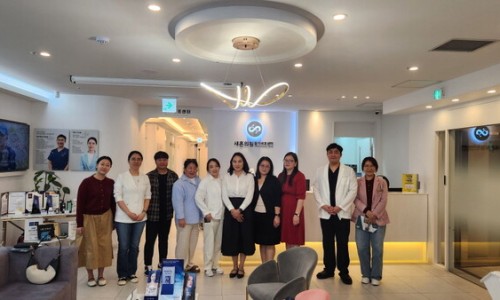
ExampleA delegation of practicing Mongolian physicians even visited Saeron Clinic to benchmark Korea’s regenerative medicine system.
NoteDesignation is the minimum safety condition; actual results vary by individual state, so consultation is needed.
How to choose a place you can trust
Investing in facilities is, honestly, just money. What’s harder in running a clinic is people — keeping good people, growing together, not losing the original intent. That, ultimately, is what leads to patient safety and satisfaction.
Harder than facilities is people — which is why it matters more.In a state-verified environment, keeping the original intent.Allowing no small error is what builds trust.
If you have questions, reach out by comment or consultation — I’ll guide you honestly.
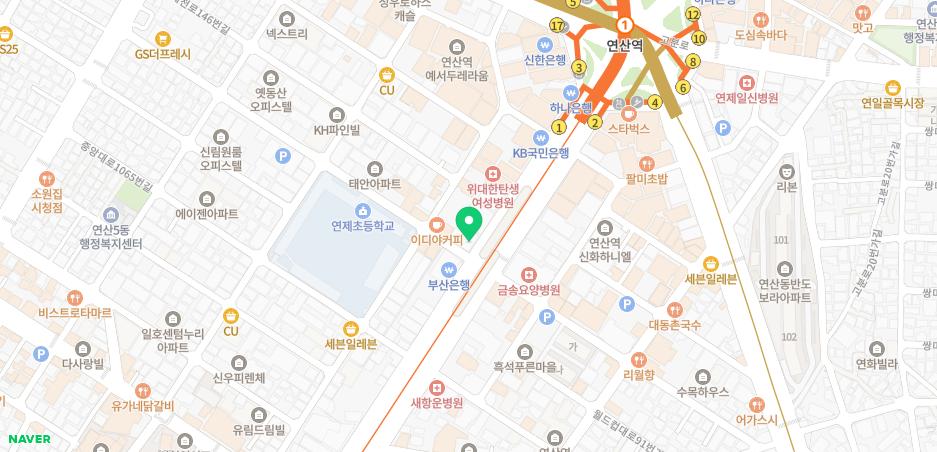
Saeron Clinic, Yeonsan-dong, Busan · by appointment only.
Frequently asked questionsWhat does the facility designation mean?
That the state verified the whole process of cell/gene regenerative treatment as safe — not just facilities, but procedures and records too.
Is designation alone enough for safety?
It’s the minimum safety condition. Actual results vary by individual state, so judge it together with facilities, standards, and a physician consultation.
Why do sterile facilities matter?
Because you’re handling living cells. Exposure to dust or bacteria during harvest/isolation/concentration risks infection, so clean bench, HEPA, and FFU are needed.
Why check temperature management?
Stem cells are temperature-sensitive; unstable storage/handling temperatures can lower viability and efficacy, so real-time monitoring and alerts are needed.
What should I check first when choosing a clinic?
1) facility designation, 2) sterile facilities, 3) cell storage and temperature management — and weigh systems and skill over proximity or low price.
Glossary
Advanced regenerative medicine facility
Def.A clinic screened and approved by the Ministry of Health to perform regenerative medicine using human cells.
PlainThink ‘state-verified license for stem cell treatment.’
Clean bench
Def.A workbench that isolates and concentrates cells under sterile conditions, sealed from outside air.
PlainA ‘sterile booth’ for handling cells.
HEPA / FFU
Def.Filter and fan units that remove 99.9%+ of airborne particles to maintain cleanliness.
PlainOperating-room-grade ‘air purifiers.’
SOP (standard operating procedure)
Def.Documented procedures ensuring every step is done identically by anyone, anytime.
PlainThe manual that guarantees ‘same quality, whoever does it.’
This post is medical advertising intended to provide medical information and complies with Article 56(1) of the Korean Medical Service Act. Effects and side effects may vary with individual constitution and health status, so please decide on treatment after a thorough consultation with a medical professional.
THE SAERON STORY
주용민 대표원장 · 응급의학과 전문의
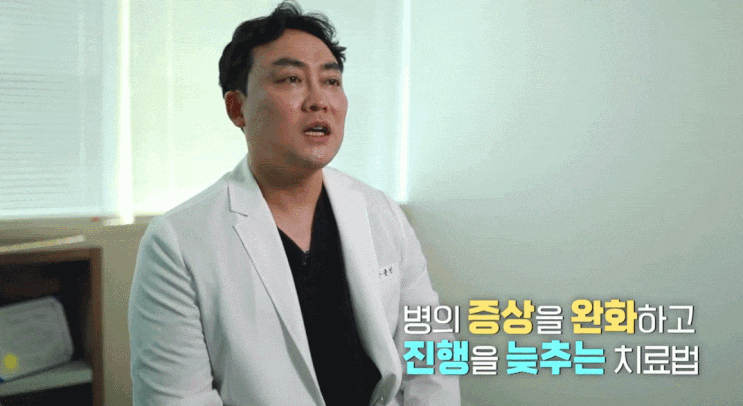
15년 이상 응급의학과 최전선에서 약 15만 명의 환자를 진료한 경험을 바탕으로, 줄기세포·재생의학 한 길에 집중합니다. 보건복지부 지정 첨단재생의료 실시기관으로, 진단부터 시술·사후관리까지 직접 전담합니다.
15+년 응급의학 경력
150K+명 진료 경험
100%예약제 운영
CONSULTATION
English Blog 맞춤 상담 예약
주용민 대표원장이 직접 상담·진단·시술·사후관리까지 전담합니다. 100% 예약제로 운영됩니다.