

 EN
EN
 KR
KR
 CH
CH
 CN
CN
 JA
JA
 RU
RU
Looking Into Regenerative Treatments
for Knee Osteoarthritis?
A Closer Look at PRP, BMAC, and SVF Injections
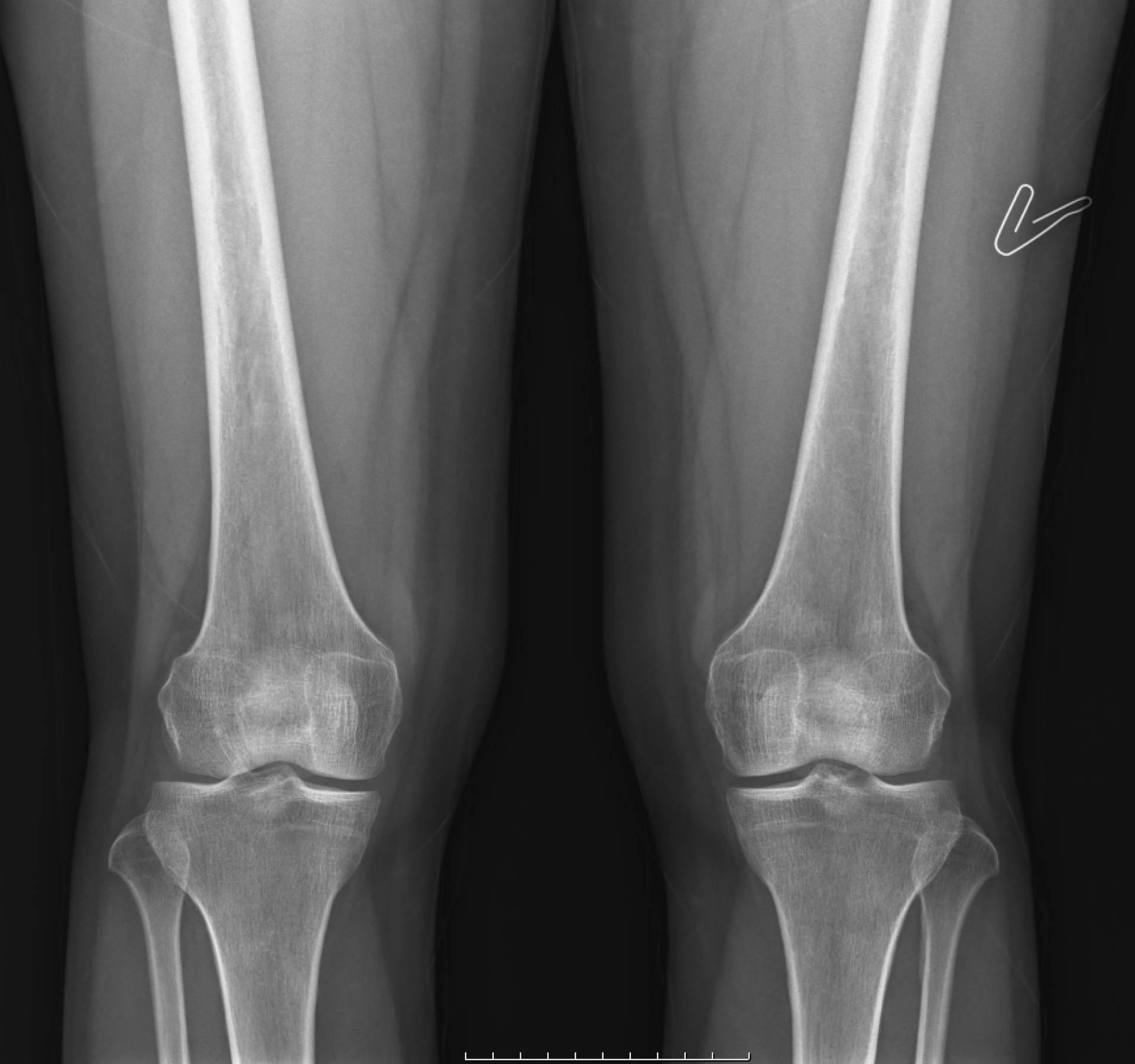
Which Injection Works Best
for Knee Osteoarthritis?
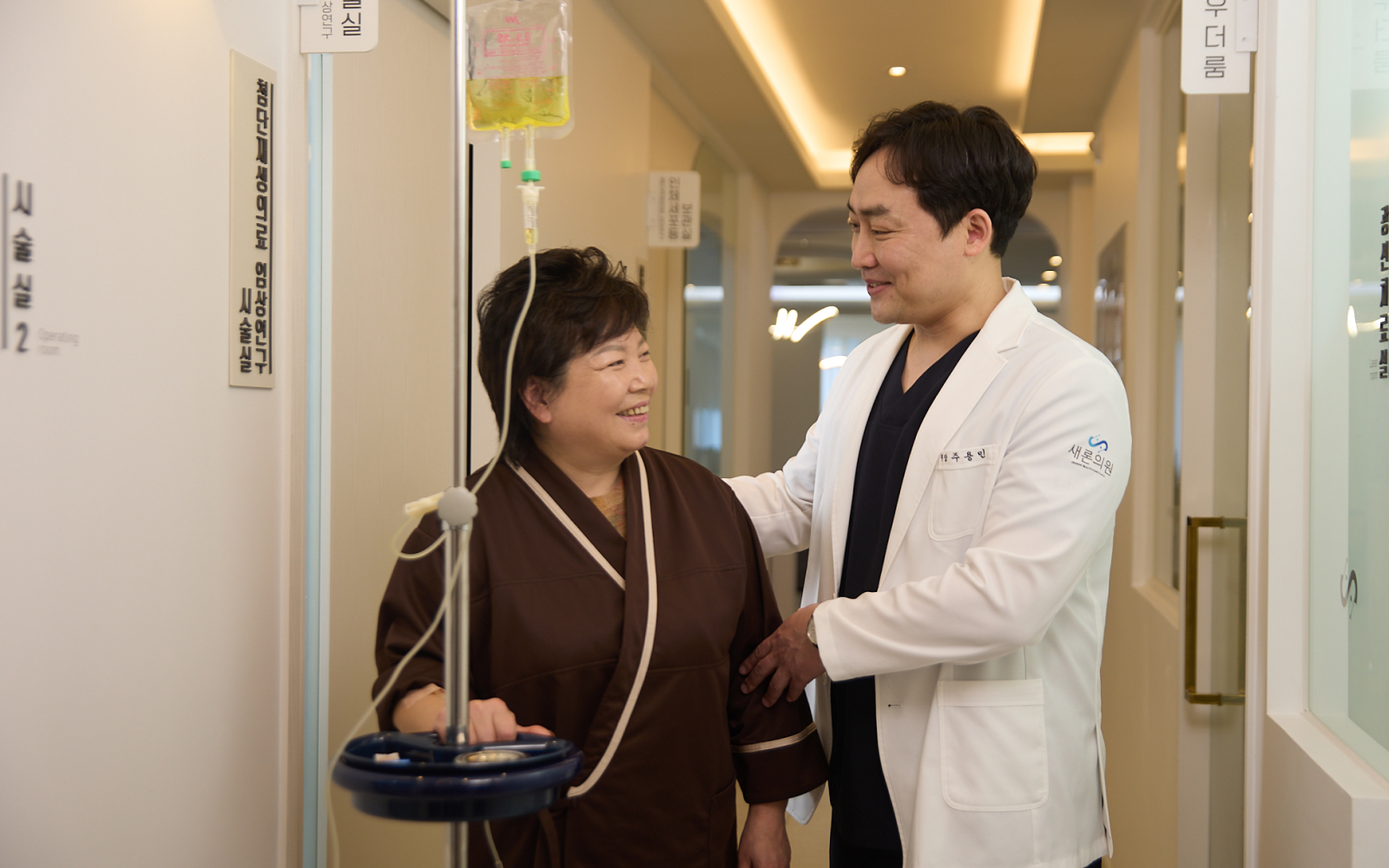
Here's what a 60-year-old patient
recently shared with us:
Both of my knees had been hurting for years.
I tried prolotherapy and cartilage injections at another clinic,
but nothing really worked. I'd heard PRP was effective,
so I decided to give it a try. After treating my right knee first,
the pain improved noticeably
—so I came back and had both knees treated.

What Is Regenerative Medicine?
Prolotherapy, PRP, BMAC, and SVF injections, commonly referred to as "stem cell treatments"
are all part of what we call regenerative medicine.
Regenerative medicine focuses on helping the body recover from damage and decline.
At its core, it's not about surgery, but healing.
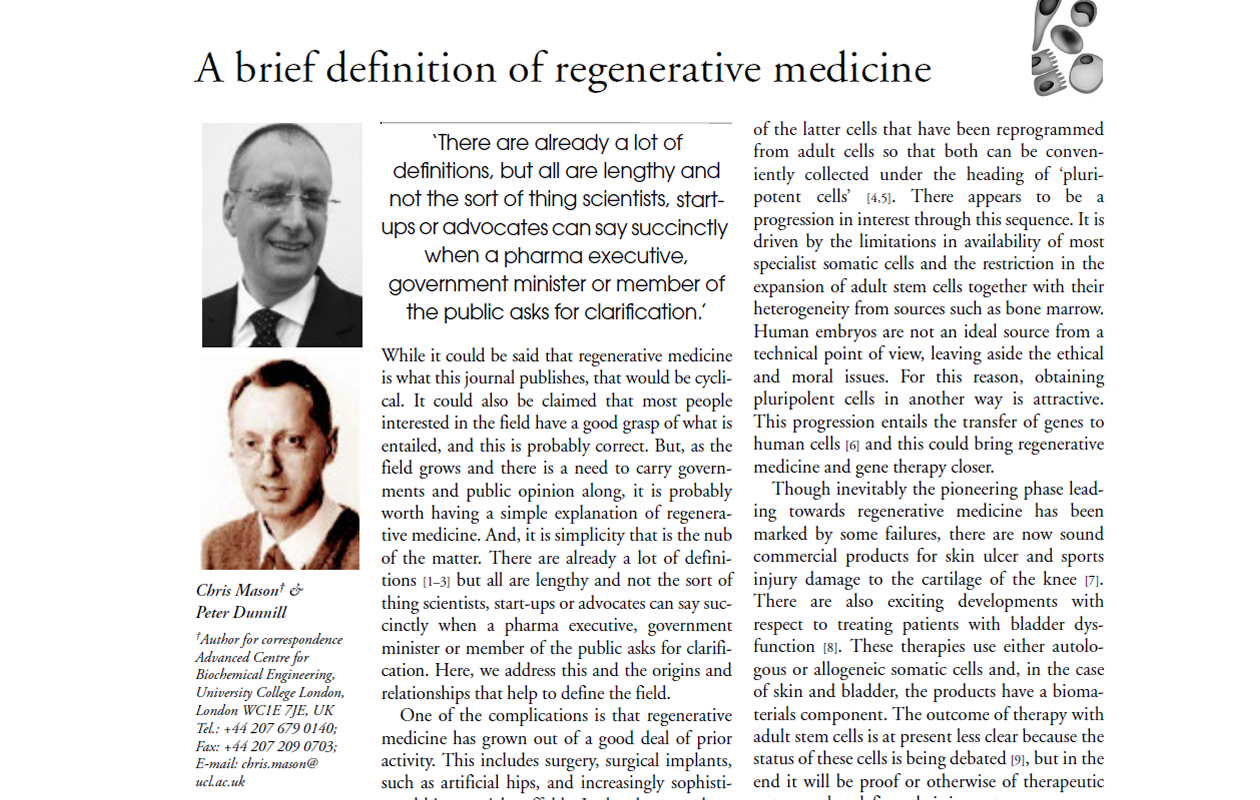
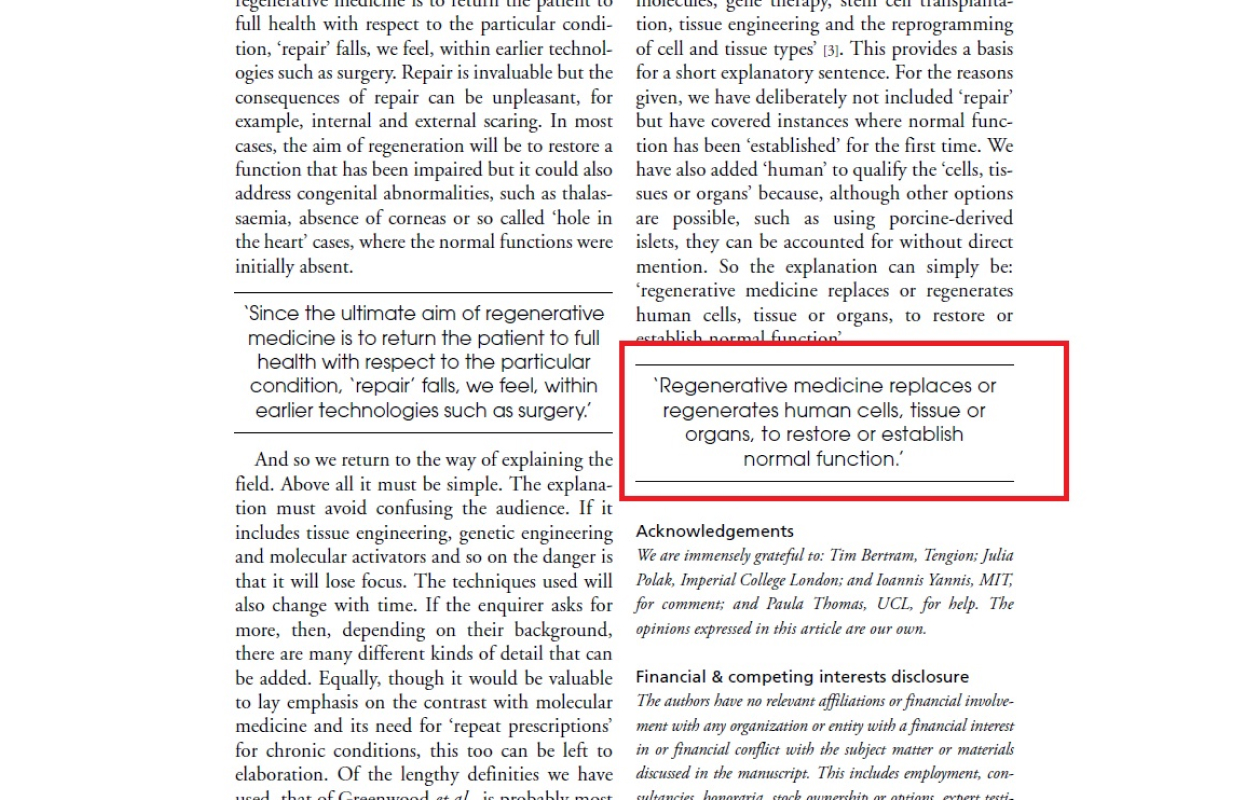
Mason C, Dunnill P. A brief definition of
regenerative medicine.
Understanding Knee Osteoarthritis
A Guide to Treatment Options
Including SVF, BMAC, and PRP
Media Highlights:
Saeron Clinic
Real Results:
Cell Therapy Cases
at Saeron Clinic
View More Cases
-
WOMAC Index
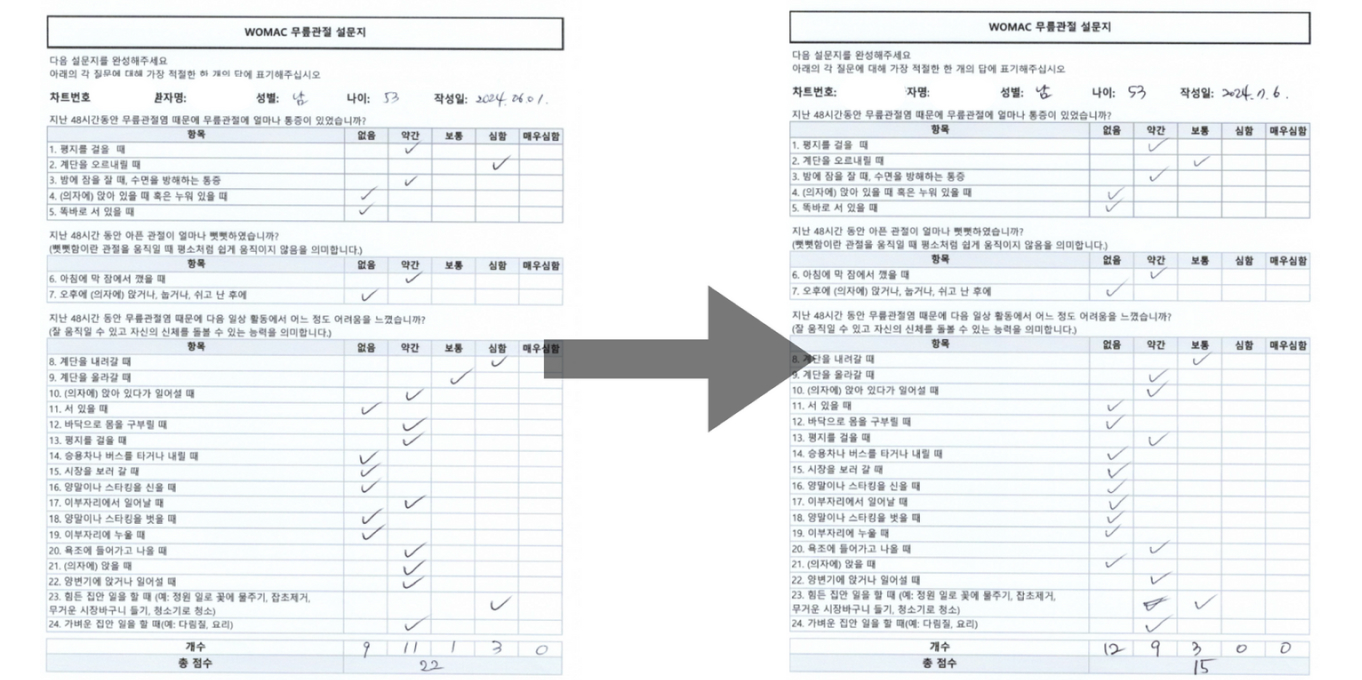
This data is based on the WOMAC Index, which measures patient-reported knee pain, stiffness, and physical function before and after treatment. Results reflect each patient's subjective experience.
-
WOMAC Index
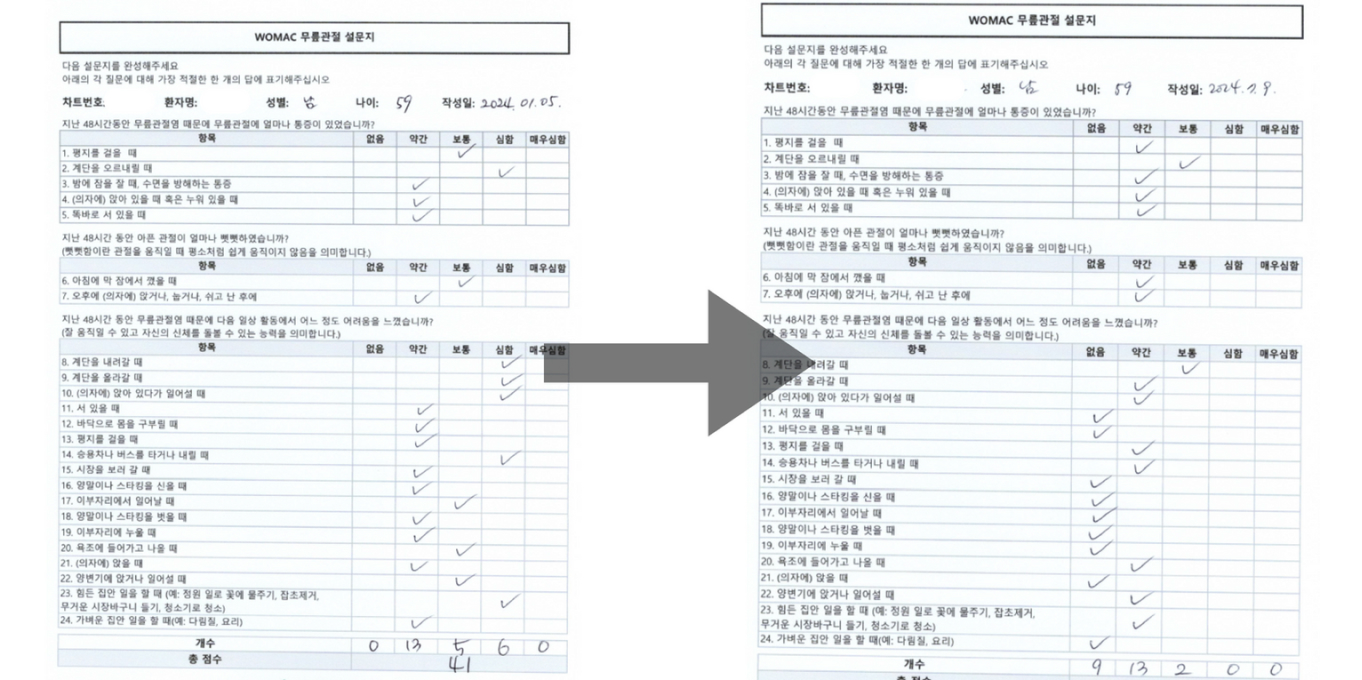
This data is based on the WOMAC Index, which measures patient-reported knee pain, stiffness, and physical function before and after treatment. Results reflect each patient's subjective experience.
-
WOMAC Index
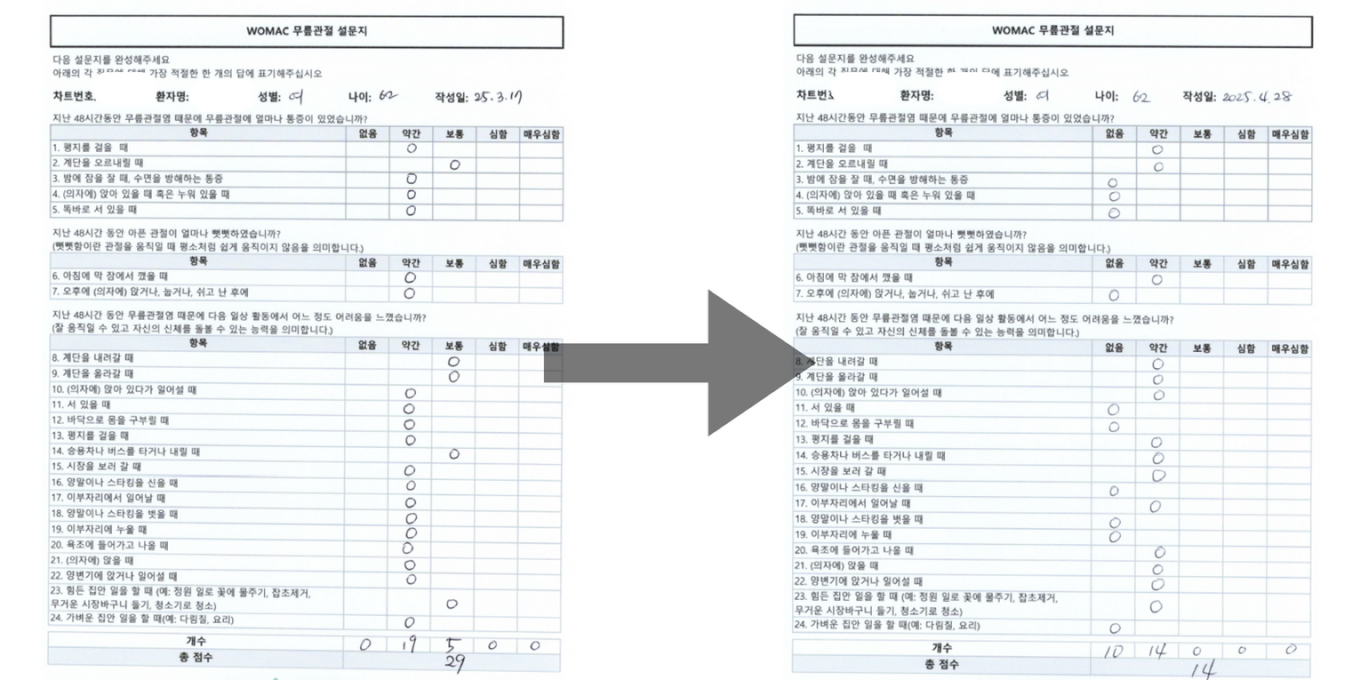
This data is based on the WOMAC Index, which measures patient-reported knee pain, stiffness, and physical function before and after treatment. Results reflect each patient's subjective experience.
Why Choose Saeron
for Cell Therapy
Joint Regeneration?

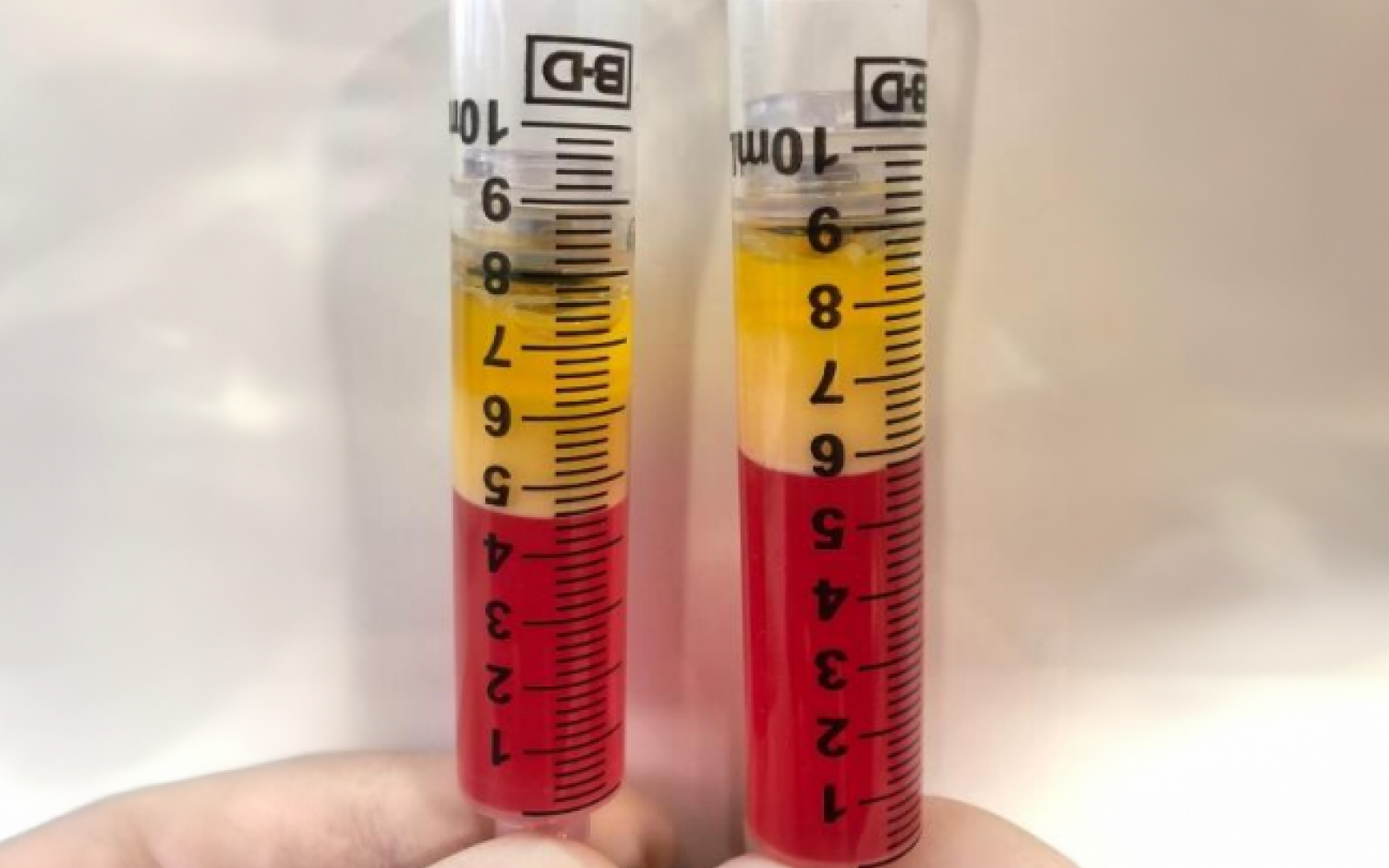
and fat — selected appropriately based on each patient's needs.
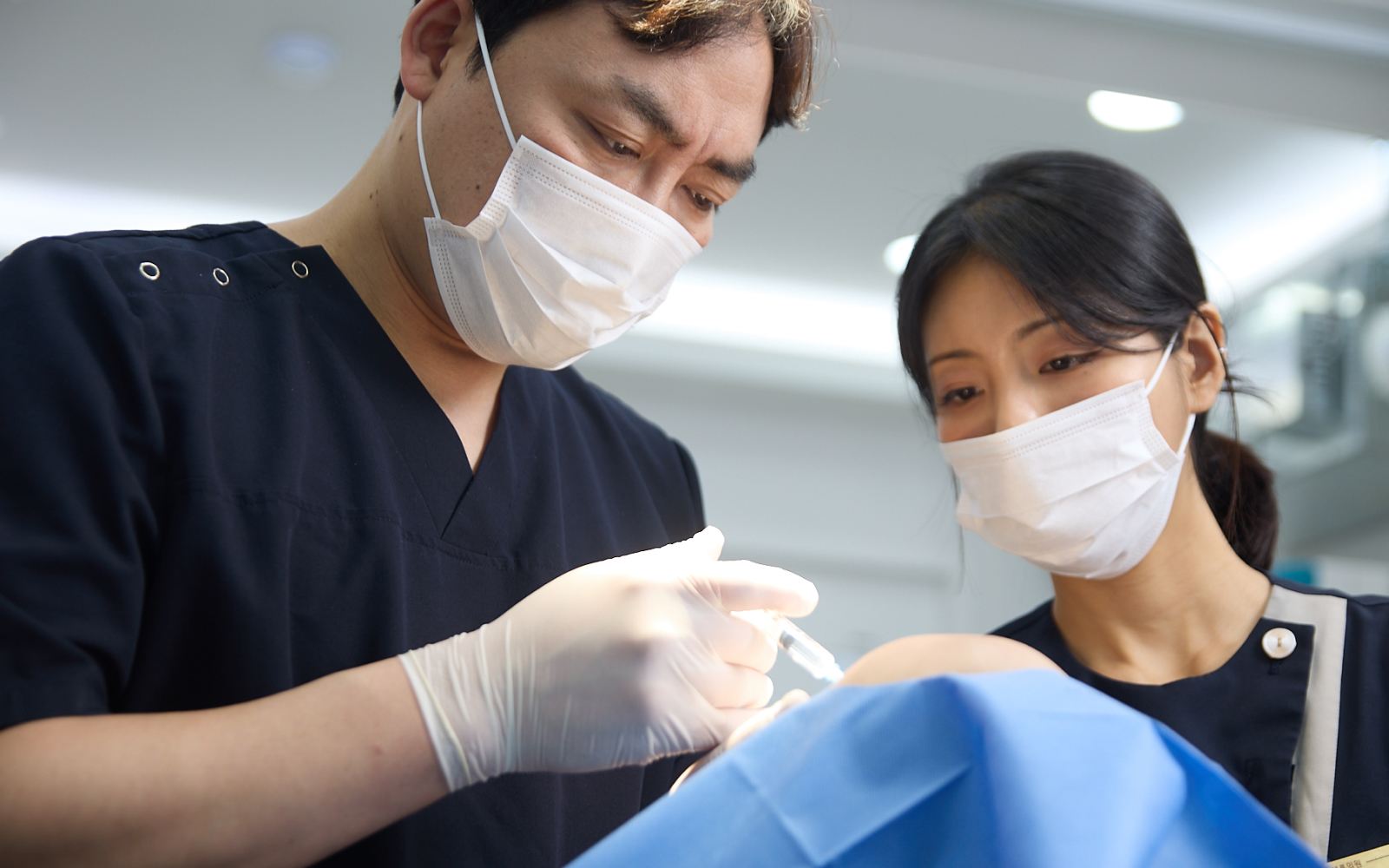
gas sedation, or sleep sedation as needed.
Cell Therapy for Knee Pain: Myths and Facts
Joint Regeneration Therapy Process
(PRP, Bone Marrow, Fat, or Tailored Combination)
-
STEP 01.
Consultation &
Initial AssessmentMedical history review and imaging
(X-ray, ultrasound, or MRI) -
STEP 02.
Treatment Planning
Select from PRP, BMAC, SVF, or a
tailored combination -
STEP 03.
Anesthesia Selection
Select from local anesthesia,
nitrous oxide, or conscious sedation -
STEP 04.
Cell Extraction & Activation
Harvest, concentrate, and
activate cells -
STEP 05.
Targeted Injection
Apply cells to the affected joint area
-
STEP 06.
Booster & Aftercare
Booster injection and post-treatment care
Who May Not Be Suitable for Regenerative Injections
While regenerative injections such as PRP, BMAC, or SVF can benefit many patients,
it may not be appropriate in the following cases:
- Patients with active or unresolved cancer or tumors
- Conditions that require standard treatment first
(e.g., appendicitis requires surgery; gastric ulcers require endoscopic treatment) - Individuals with poorly controlled diabetes or infections,
or those unable to manage these conditions - When other underlying health issues must be addressed first,
or when surgery is medically indicated - Any situation where our medical team determines that
regenerative therapy is not clinically appropriate
FAQ
Are Regenerative Injections for Knee Osteoarthritis Really Effective?
For patients whose knee pain is caused by degenerative osteoarthritis, intra-articular injections using autologous regenerative cell therapies—including SVF (Stromal Vascular Fraction from fat), BMAC (Bone Marrow Aspirate Concentrate), and PRP (Platelet-Rich Plasma)—have shown potential to relieve symptoms and delay the need for surgery.
These therapies were officially recognized as New Health Technologies in Korea in July 2023, June 2024, and December 2024,
based on clinical evaluation of their safety and effectiveness.
Is Fat or Bone Marrow Extraction Painful?
It's true that fat harvesting and bone marrow aspiration can cause more discomfort than a standard injection.
That's why at Saeron Clinic, we use a range of anesthesia options—including local anesthesia, gas sedation, and sleep sedation—to minimize pain during the procedure.
All treatments are performed by Dr. Yongmin Joo, our medical director and a board-certified emergency physician, who has extensive experience in advanced sedation techniques for patient comfort and safety.
How Much Does It Cost? Is It Covered by Insurance?
Insurance coverage may vary depending on your individual policy, so we recommend reviewing the terms of your plan or consulting directly with your provider.
That said, for patients with moderate knee osteoarthritis (typically KL grade 2 or 3)—not too early and not too advanced—many have been able to receive reimbursement through their supplemental health insurance.
