



보건복지부 지정 첨단재생의료 실시기관
새론의원 매거진 English Blog

The criterion for choosing a shampoo isn’t the ingredient list

I’m Dr. Joo Yong-min of Saeron Clinic. ‘What shampoo should I use for hair loss?’ is one of the most common questions in hair-loss visits — because shampoo is the easiest thing to change. Here’s how to choose by scalp type, and how to manage seborrheic dermatitis with hair loss, realistically.

The criterion for a hair-loss shampoo isn’t the ingredient list but your scalp type (sebum output). Oily scalps need zinc/antifungal (ketoconazole) ingredients and frequent washing; dry scalps need moisture and barrier protection. Shampoo only settles the scalp environment — it isn’t a treatment, and severe seborrheic dermatitis or folliculitis needs a prescription.

Key takeaways

  1. A hair-loss shampoo’s criterion is scalp type (sebum output), not the ingredient list — self-check 6 hours after a morning wash.
  2. Oily scalps need zinc/antifungal (ketoconazole) shampoo and frequent washing; dry scalps need moisture and barrier protection.
  3. Shampoo only settles the scalp environment — not a treatment; severe seborrheic dermatitis/folliculitis needs a clinic prescription.

The criterion for choosing a shampoo isn’t the ingredient list

“What shampoo should I use for hair loss?” is a classic clinic question. But the criterion isn’t the ingredient list — it’s your scalp’s sebum output. Choosing by ingredients without knowing your scalp type can actually make things worse.

How to choose a hair-loss shampoo by scalp type
The criterion isn’t ingredients — it’s your scalp’s sebum.
Shampoo only settles the scalp ‘environment’ — it isn’t a drug that stops hair loss or grows hair.

How to check your scalp type

There’s a simple method: wash in the morning and check your scalp 6 hours later. Oily and smelly before 6 hours means oily; fine at 6 hours but greasy by the next day means normal; little change even after a day means dry.

Distinguishing oily, normal, and dry scalp by the state 6 hours after morning washing
The 6-hour state sorts oily, normal, and dry.

A normal scalp is fine with almost any non-irritating product. The trouble is oily and dry scalps.

Oily scalp — sebum is the problem

Under a magnifier, many hair-loss patients’ scalps are a mess from unmanaged sebum causing inflammation. In severe cases, fungi and bacteria proliferate, bringing seborrheic dermatitis or folliculitis too.

Managing oily scalp and seborrheic dermatitis with zinc and antifungal shampoo
Zinc shampoo plus, if needed, antifungal shampoo for sebum and inflammation.
From the clinic · case

Under a magnifier, I often see that sebum and inflammation are a bigger problem than the hair loss itself. Some patients have both seborrheic dermatitis and folliculitis from fungal and bacterial overgrowth. For them, I say we must fix washing habits and scalp-inflammation control before worrying about shampoo ingredients.

6 hoursself-check timing for scalp type
1–2×/weekrecommended antifungal shampoo use
1–2×/dayrecommended washing for oily scalp

For an oily scalp, remember two things. First, a zinc-based shampoo for dandruff and sebum. Second, if seborrheic dermatitis is present, an antifungal shampoo (e.g., ketoconazole) 1–2 times a week helps. With folliculitis, a prescribed topical antibiotic may be needed. Oily scalps need washing once daily, up to twice in severe cases.

Dry scalp — the skin barrier is the problem

A dry scalp is the opposite. Sebum and moisture vanish easily, damaging the skin barrier and causing scalp inflammation. Choose barrier-protecting, moisturizing products over strong cleansers. Natural humectants like plant extracts or kelp help, and a scalp essence to reinforce moisture is more effective.

Scalp typeKey care
OilyZinc shampoo + (if seborrheic) antifungal 1–2×/week; wash 1–2×/day
NormalAny non-irritating product is fine; avoid over-washing
DryMoisturizing/barrier-protecting shampoo + scalp essence; avoid harsh cleansers
Quote-ready · citable unitA good shampoo means ‘not worsening the scalp, and creating an environment where hair-loss treatment works better.’
WhyBecause shampoo is a tool to settle the scalp environment, not a treatment.
ExampleFor oily scalps, zinc/antifungal control sebum and inflammation; for dry scalps, moisture and barrier protection reduce irritation.
NoteIf seborrheic dermatitis or folliculitis is severe, shampoo alone isn’t enough — a clinic visit and prescription may be needed.

What shampoo can and can’t do

Shampoo settles the scalp environment — and that’s it. It isn’t a drug that stops hair loss or grows hair, so don’t over-expect. But by not worsening the scalp and minimizing sebum and inflammation, it becomes an environment where hair-loss treatment works better. Honestly, that’s all. If you have questions, reach out for a consultation.
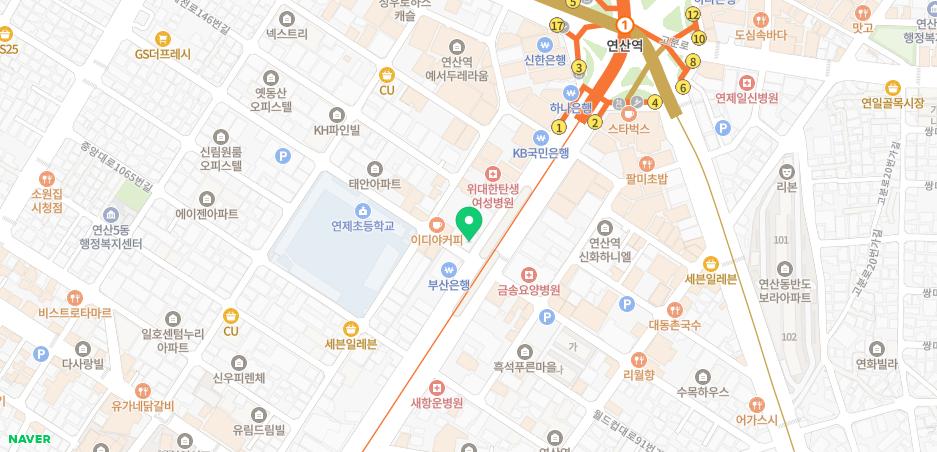
NAVER map showing Saeron Clinic near Yeonsan Station, Busan
Saeron Clinic, Yeonsan-dong, Busan · by appointment only.

Checklist

1. Check scalp type
2. Choose the shampoo
3. See a clinic if needed
Frequently asked questions
What should I check first in a hair-loss shampoo?
Your scalp type (sebum), not the ingredient list. Sort oily/normal/dry by the state 6 hours after a morning wash, then choose accordingly.
What shampoo is best for an oily scalp?
A zinc shampoo for sebum and dandruff; if seborrheic dermatitis is present, add an antifungal (ketoconazole) 1–2×/week. Wash 1–2×/day.
What about a dry scalp?
Choose moisturizing, barrier-protecting products over strong cleansers. Natural humectants (plant extracts, kelp) and a scalp essence help.
Does shampoo stop hair loss?
No. Shampoo settles the scalp environment; it isn’t a treatment. It reduces inflammation and sebum so hair-loss treatment can work better.
When should I see a clinic?
If seborrheic dermatitis is severe or folliculitis is present, shampoo alone isn’t enough — a topical antibiotic prescription and a visit may be needed.
Glossary
Seborrheic dermatitis
Def.Chronic scalp inflammation from excess sebum and fungal (Malassezia) overgrowth.
PlainA ‘fire’ on the scalp from sebum and fungus.
Sebum output (scalp type)
Def.How oily the scalp gets — the basis for oily/normal/dry classification.
PlainThe real basis for choosing a shampoo, not ingredients.
Zinc shampoo
Def.A shampoo with zinc (e.g., zinc pyrithione) that eases dandruff and sebum.
PlainA care shampoo for sebum and dandruff.
Antifungal shampoo (ketoconazole)
Def.A medicated shampoo (e.g., ketoconazole) that suppresses fungi to ease seborrheic dermatitis.
PlainA medicated shampoo that reduces scalp fungus.

This post is medical advertising intended to provide medical information and complies with Article 56(1) of the Korean Medical Service Act. Effects and side effects may vary with individual constitution and health status, so please decide on treatment after a thorough consultation with a medical professional.

THE SAERON STORY

주용민 대표원장 · 응급의학과 전문의

15년 이상 응급의학과 최전선에서 약 15만 명의 환자를 진료한 경험을 바탕으로, 줄기세포·재생의학 한 길에 집중합니다. 보건복지부 지정 첨단재생의료 실시기관으로, 진단부터 시술·사후관리까지 직접 전담합니다.

15+년 응급의학 경력
150K+명 진료 경험
100%예약제 운영