







Why isn’t low vitality in midlife men just a matter of age?
Male vitality is the state in which sex drive, erectile function, energy and mood hold steady together. When one of these slips, the others are often affected too.
Most men assume it’s simply what happens with age. In practice it’s a little different. Changes in erectile function reflect blood vessels, hormones and metabolic health together. That’s why this change isn’t only a sexual health issue; it can be a reason to check your health as a whole. Fatigue that lingers and slow recovery are signals in the same vein, which I covered separately in a piece on why colds now last longer than they used to.
Low vitality may be a signal to check your body before it is a question of age.
Earlier I wrote about the three steps for male menopause symptoms and testosterone testing; today I close the series with a focus on declining erectile function.
What causes erectile dysfunction symptoms?
In the Massachusetts Male Aging Study (Feldman et al., J Urol, 1994), about half of men aged 40 to 70 reported some degree of difficulty with erections, and how often it occurred was linked to health problems such as diabetes, heart disease and high blood pressure. In other words, it’s common, but it can be tangled up with other conditions.
I look at the cause from four directions. The first is blood vessels. An erection depends on enough blood flowing in and staying there, so when vascular health declines it often shows up here first. The second is nerves. Conditions that strain the peripheral nerves, such as diabetes, can weaken signal transmission. The third is hormones, and the fourth is the mind: anxiety, stress and similar factors. As I explained in a piece on what vascular cleansing drips can and cannot do, there is no injection that turns blood vessels back.
Which tests should come first?
Initial testing is the process of confirming the cause and risk factors with basic blood work and hormone tests before deciding on a procedure or medication. The American Urological Association guideline (Burnett et al., J Urol, 2018) advises carrying out the necessary tests on the basis of a medical history and physical exam when evaluating erectile dysfunction, and blood glucose, lipids and testosterone are the core items.
The order goes like this. Step 1, the medical interview, covers when symptoms began, underlying conditions and current medications. Step 2, basic blood tests, looks at glucose, lipids, liver function and kidney function. Step 3, hormone tests, checks morning testosterone among other values. The direction is set from those results.
Testosterone varies over the day, so it is read from total testosterone in a fasting blood sample taken in the morning, and a low result is confirmed by measuring again. The Endocrine Society guideline (Bhasin et al., J Clin Endocrinol Metab, 2018) also advises not drawing a conclusion from a single value.

I often meet men who tell me it took them months to bring this up. That’s why I ask about the cause before I talk about any procedure. Start with a procedure and skip the testing, and diabetes, high blood pressure or a hormone problem hiding behind the symptoms can be found late.
Where does erectile dysfunction treatment start?
Standard treatment means the options covered in clinical guidelines, such as lifestyle change, medication and hormone replacement; they are closer to tools chosen according to the cause.
Lifestyle is the foundation: exercise, weight management, quitting smoking, cutting back on alcohol and sleep all support the vascular and hormonal environment as a whole. Changes appear gradually, so it continues alongside other treatment. Among oral medications, the PDE5 inhibitor class is the most widely used drug treatment for erectile dysfunction (Burnett et al., 2018). If you take nitrate-type angina medication, though, combining the two can be dangerous, so always tell your doctor about every medication you take. Hormone replacement is considered only when low testosterone has been confirmed by testing (Bhasin et al., 2018), and regular follow-up testing is needed after it starts.
There are clearly cases where a urologist should see you first. If symptoms began suddenly, if there is pain, curvature or a history of injury to the penis, if urinary problems come with it, or if medication hasn’t worked, I recommend a detailed evaluation by a urology specialist first. If chest pain or shortness of breath comes with it, a cardiovascular evaluation takes priority.
I’ll be honest with you: many men improve well with standard treatment. For them, regenerative treatment is not the option I would suggest first.
How far can stem cell regenerative treatment go for ED?
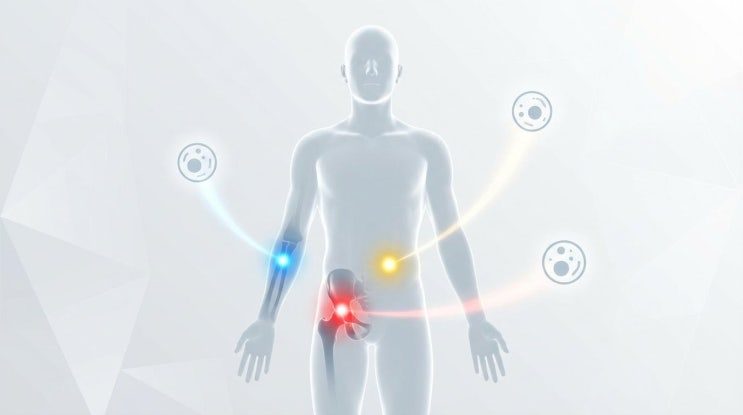
Stem cell regenerative treatment is treatment that uses cells to help restore a tissue environment whose function has declined; in the area of male vitality, both intravenous injection and direct injection into the penis are discussed. An IV injection aims at a whole-body approach, and direct evidence that it improves penile function is more limited. Direct injection delivers cells locally into the erectile tissue; it carries a risk of pain, bruising and infection, and long-term safety data are limited.
As for the evidence, a preliminary report in which cord blood stem cells were injected into the penis of 7 patients with diabetic erectile dysfunction observed improvement in some of them (Bahk et al., Exp Clin Transplant, 2010). Small clinical trials in this area have also been registered and run on ClinicalTrials.gov. All of them, however, are small, early-stage studies. Saying the evidence is still building doesn’t mean it doesn’t work; it means it isn’t established yet.
Whether it can be applied to male vitality is decided only after confirming the diagnosis and the legal scope, and it is not a procedure that promises stronger vitality. It may be time to change the question from “Is it just my age?” to “What is my body trying to tell me?”