







Which part of a cold has actually gotten longer?
A cold is not a single event but a process that moves through four phases. There is the incubation period, when the virus gets in and settles; the acute phase, when high fever, muscle aches, and a sore throat hit together; the subacute phase, when the lining of the airways begins to heal while cough and runny nose hang on; and the recovery phase, when your stamina and mood return to normal.
Over many years of seeing patients with colds in the ER, the change I noticed was clear. Incubation and the acute phase are almost the same as before. But the subacute phase, which used to pass in three or four days, now runs one to two weeks, and more and more people find the recovery phase, once over in a few days, lasting two to four weeks or even longer. What has stretched is not the time the virus is active. It’s the cleanup and repair time after the virus has left.
Think of a small house fire. The fire brigade, your immune system, puts the fire out, but getting the house back to normal takes a separate job of scrubbing off the soot. In many bodies today, that repair work drags on. Not because the workers are lazy, but because the conditions they work in have gotten worse.
A 2017 study in The Lancet Infectious Diseases reported that up to 40% of patients still had residual symptoms such as cough, fatigue, and low stamina three weeks or more after a respiratory infection (Hay AD et al., 2017).
Colds seem longer these days not because the infection lasts longer, but because the recovery after the infection does.
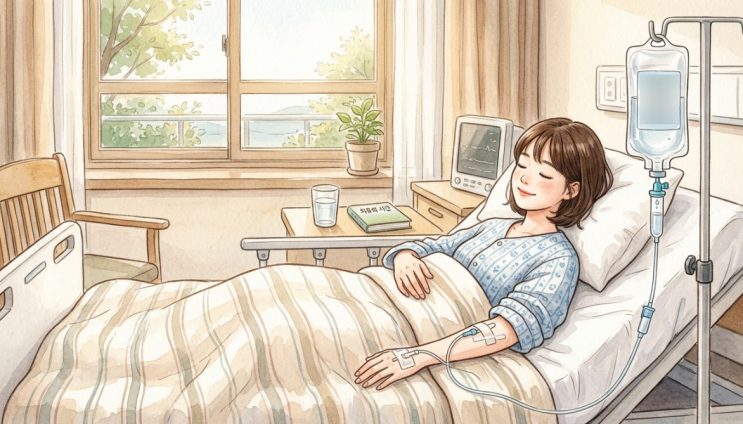
Why has the recovery phase stretched so much?
People often say it’s because their “immunity is weak,” but from a clinical point of view that isn’t quite accurate. It’s not that immunity has simply dropped. It’s closer to a state where the immune system is always slightly switched on, so it can’t respond efficiently at the moment it’s actually needed. This is called inflammaging, or low-grade chronic inflammation. A 2018 review in Nature Reviews Endocrinology described this low-grade chronic inflammation as a core mechanism of aging and weakened immunity (Franceschi C et al., 2018).
It helps to picture your immune system as a fire alarm. A healthy alarm stays quiet day to day, rings loudly when there’s a real fire, and switches itself off once the fire is out. An alarm in a state of chronic inflammation keeps ringing softly all the time. So early in an infection the response is either sluggish or overblown, and after the infection ends the alarm doesn’t switch off, which slows the repair.
What feeds this small inflammation is fairly predictable. Visceral fat keeps releasing inflammatory substances such as IL-6 and TNF-α, while short sleep and chronic stress cut off anti-inflammatory signals. When muscle shrinks, you run short of myokines, which are anti-inflammatory, and accumulated senescent cells release inflammatory substances too. How these causes relate to your body’s age is covered in detail in a piece on why chronic inflammation speeds up your body age.
When I worked in the ER, I often saw the same person come in with a cold two or three times within six months. When I asked about their daily life, many of them matched more than half of these: short sleep, a growing waistline, little exercise, and built-up stress. It wasn’t so much bad luck with viruses as a body whose alarm was always on. That’s why, alongside the risk from the infection, I always look at how far the recovery system is actually working.
What has changed about the recovery environment?
Recovery is a process the body carries out on its own when the right conditions are in place. The first condition is sleep. While you sleep, the body reorganizes its immune cells and turns off inflammatory signals. In a study published in Sleep by researchers at Carnegie Mellon University, people who slept less than six hours were more than four times as likely to catch a cold as those who slept seven hours or more, and under five hours the risk rose to 4.5 times (Prather AA et al., 2015). The second is stress. Cortisol is normally high in the morning and low at night, but under chronic stress this rhythm flattens and the body’s ability to turn off inflammation weakens.
The third is muscle. Recovering from a cold means building new airway lining and new immune cells, and the raw material for that is protein. Muscle is the body’s largest protein store, so if muscle mass is low, you run short of repair materials. Leave the muscle you lose every year after 40 unaddressed, and it’s a natural consequence that recovery gets slower and slower. For men in midlife, a piece on which tests come first for low vitality in midlife men, which looks at muscle loss and low energy together, is also worth a read. The fourth is the gut. About 70% of immune cells sit around the gut lining, so when processed food, frequent drinking, and too little fiber pile up, the immune system’s headquarters is shaken.
How can you check your own recovery capacity?
Let me draw a line first. The following are not signs of slow recovery but signs that you need to see a doctor first: a high fever lasting more than three days, shortness of breath or chest pain, a severe headache along with your symptoms, or no improvement after 10 days, or getting better and then worse again. In these cases, put self-care aside and get seen right away.
If there are no warning signs, think back over the past three months. Did a cold drag on for two weeks or more? Do you get sick three or more times a year? Do you wake up unrefreshed? Do shingles or mouth ulcers keep coming back? Do you sleep less than six hours? Has your waistline grown? Do you exercise less than once a week? Three or more may be a sign that it’s time to check the recovery system itself. With five or more, rest or vitamins alone may only go so far. If your energy still hasn’t come back after more than a month, the next step is to rule out other causes such as a thyroid problem, anemia, or sleep apnea. No single test measures chronic inflammation, but it can be assessed indirectly through values such as high-sensitivity CRP, fasting insulin, and ferritin.
Do IV drips or supplements help you recover from a cold?
I’ll be honest with you: the biggest influence on recovery is neither an IV drip nor a supplement. Vitamin D, vitamin C, and zinc are worth supplementing when a deficiency has been confirmed, but if your levels are already normal, taking more won’t make your immunity any stronger. The difference between oral vitamin C and intravenous delivery is laid out in a piece on high-dose vitamin C IV versus oral.
The so-called cold IV drip should be seen in the same light. When body aches make it hard to eat and drink, it is one supportive option for replacing fluids and some nutrients, nothing more. There is no evidence to say for certain that it clears the virus or shortens recovery. The right order is to check what you’re actually lacking before getting one, and the criteria for that are in a piece on what I check first before any IV.
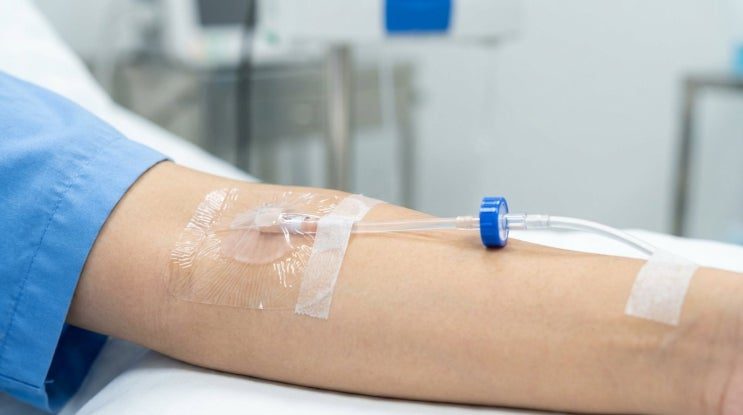
So there are three things I recommend first. Step one is sleep: fall asleep before midnight and get seven hours or more. Step two is protein and muscle: at least 1 g of protein per kilogram of body weight, and strength training twice a week. Step three is the gut and your meals: more fiber and fermented foods, and less processed food, heavy drinking, and late-night eating. A good number of people tell me that after sticking with this for about a month, their next cold was noticeably easier.